You’re Using “Secondary Market” Wrong, So Stop Already
By Richard Thomas

(Kelly; Credit: Pexels)
Straight off the bat, below are valid definitions and indicate the real meaning for the term “secondary market:”
A market where investors purchase securities or assets from other investors; a market in which securities are traded after they are initially offered.
Secondary market finds its origins as a Wall Street term, and most stock, bond and other securities trading people are familiar with take place on the secondary market. That part is not a matter of opinion, but instead matter of economics textbooks and even ordinary dictionaries.
(Credit: Kurt Maitland)
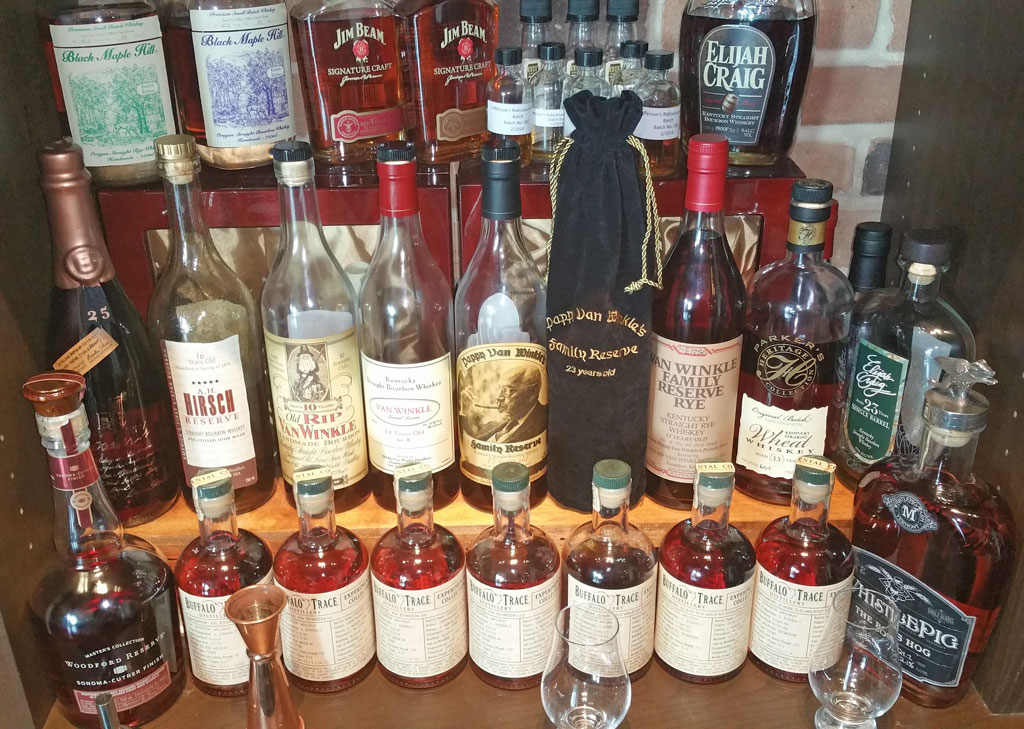
This term came to be used in American whiskey circles after the dawn of the Bourbon Boom, in the early 2010s. Although the scarcity of fan favorite brand names was only beginning to take hold at the time, secondary market was admitted into the whiskey fan lexicon when a black market sprang up in Facebook, Reddit and other bourbon forums where enthusiasts were congregating online. I call it a black market because that term is a much more accurate description than secondary market: person-to-person purchases in liquor were and are illegal if the seller is unlicensed. This is true in all 50 states, although the severity of the crime varies.
An illegal trade in goods and services that are either officially controlled or scarce.
My guess is some finance bro borrowed the term secondary market from work to describe the online buying and selling of bottles between unlicensed peers, but it was never more than half accurate, even 15 years ago. Black market was always a perfectly accurate descriptor, and not just because the trade was illegal or that the goods in question were scarce. Right from the start, the trade in hard to get bottles was rife with fraud and larceny, as false goods or no goods were delivered. Sounds like a black market, right?
A brief, personal aside: strangers online began offering me money for my empty bourbon bottles starting a dozen years ago. But you still think that pride and joy bottle you expensively bought off Reddit is genuine?
Still, a decade ago I did not have that much of a gripe with the failure to use the term “black market” to describe what was going on. I’m quite sure none of the enthusiasts concerned wanted what they were doing described that way. Mind you, I was much more judgmental of journalists, who absolutely should have known better in wrongly applying the term “secondary market.”
But as the years passed and the Bourbon Boom accelerated, virtually every annualized limited edition whiskey in America became available only through bottle hunting tactics or connections, legitimate retailers caught on to the value of the handful of bottles they were allocated. Even regular release items, like Blanton’s, joined the circus. Whether one calls it MSRP, SRP or RPP, the price recommended for sale by the company was always that, just a recommendation. The retailer is free to charge above or below that price if they think doing so will maximize their profit (and it does not get them in trouble with their distributor; in some instances, price hikes began with the distributor in the first place). And a lot of them chose to raise prices and cash in on the Bourbon Boom.
That is where the bourbon nerd’s use of the term secondary market went from half accurate to neither accurate or even helpful. A legitimate retailer is the regular market. Not the secondary or even the black market. It’s just the plain market.
(Credit: Bacardi)
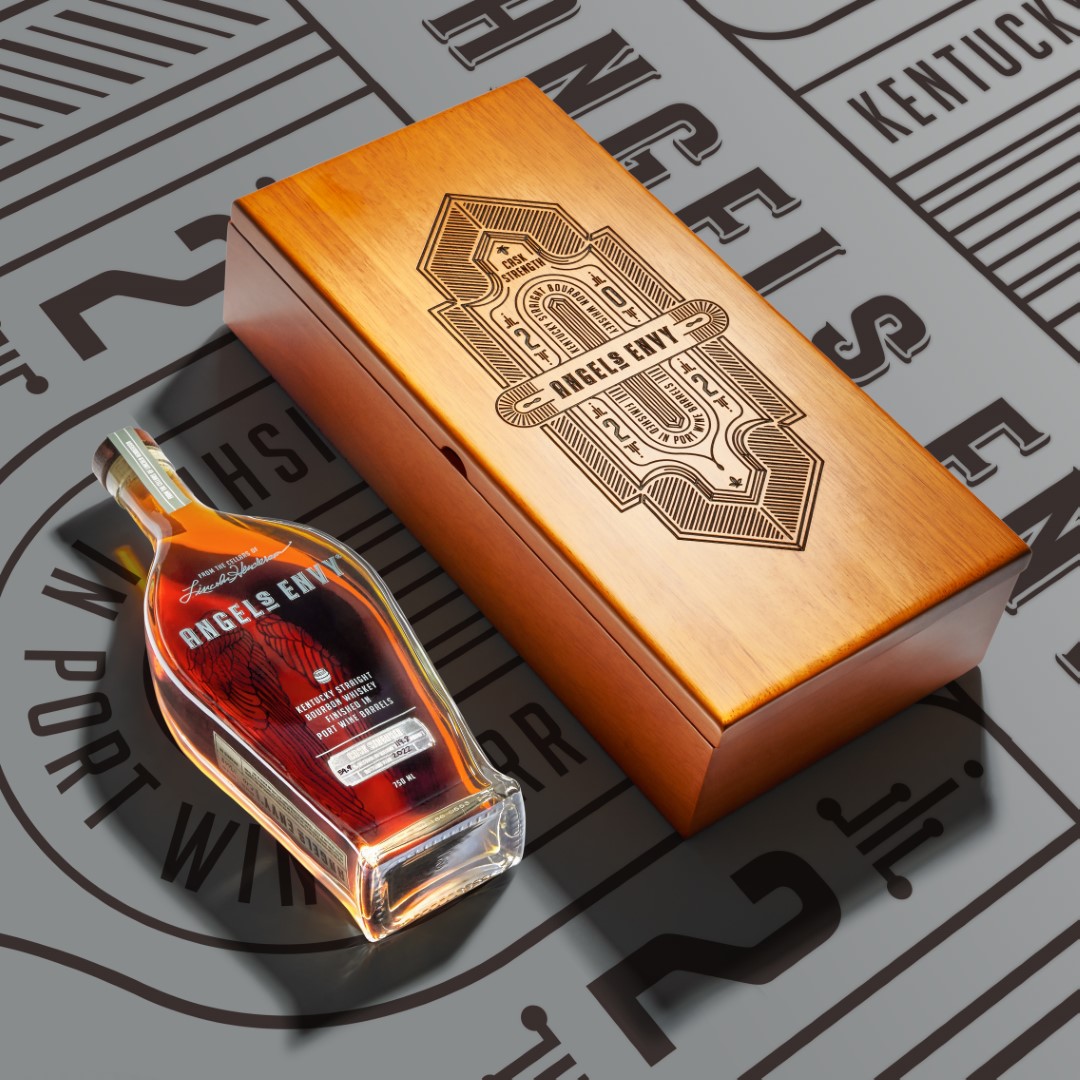
Now that it should be clear that a website like Caskers or your brick and mortar liquor store is not anything but the actual marketplace, no qualifiers, there is nothing underhanded or shady going on when said retailer raises prices on a scarce commodity to what the market will bear. That is Economics 102: Macroeconomics level supply and demand stuff. Calling it price gouging is fair enough, but the one thing it is not is secondary. The retailer is who is supposed to be selling it to you, and that makes it primary! Use of the term to describe inflated prices is dumb at best. At worst, it’s an effort to gaslight the economic realities of scarcity and make charging anything other than MSRP seem suspect, which is rich coming from a bunch of people who were already tainted by organizing a black market.
This more than just nitpicking about syntax. The first job of any form of journalism should be to inform. That point has been largely lost by much of the media in the modern era, but it does not change what they are supposed to be doing. By not describing the illegal peer-to-peer trade in bottles as a black market, anyone writing about it is doing the reader a disservice and failing to distinguish that trade from the legitimate marketplace in the bargain. People may not know what makes a black market black, but they implicitly understand it is shady, and the black market trade in bottles is absolutely shady. By labeling retailers as the secondary market, writers are misleading their readers as to the basic market realities driving high prices and scarcity.
For more than a decade, I’ve referred to the price one should expect to pay to acquire a scarce bottle of whiskey on demand as its market value. It is in every way a better descriptor than “secondary market price,” and I urge its adoption. But please, stop using that term secondary market. You’re doing it wrong.