Single Malt vs. Blended: The Whiskey Debate Explained Simply

(Credit: Pixabay//Pexels)
Whisky may intimidate beginners. Elegant titles, expensive bottles, and ritualized conversation. Distilled grain becomes whisky, a drink with history, talent, and taste. It’s common to find both single malt and mixed whiskey.
What do they mean? What makes some whiskey fans pick mixes over single malts? And most importantly, which is better for you?
What “Single Malt” Actually Means
The term “single malt” sounds elegant and unique, yet it merely indicates how the whiskey was created. “Single” signifies it originates from one distillery, while “malt” denotes it just uses malted barley. End of story. If you appreciate fine craftsmanship and exclusivity, it’s a bit like spotting a limited-time offer — get the Casino Adrenaline no deposit bonus before it’s gone — something unique that stands apart from the rest.
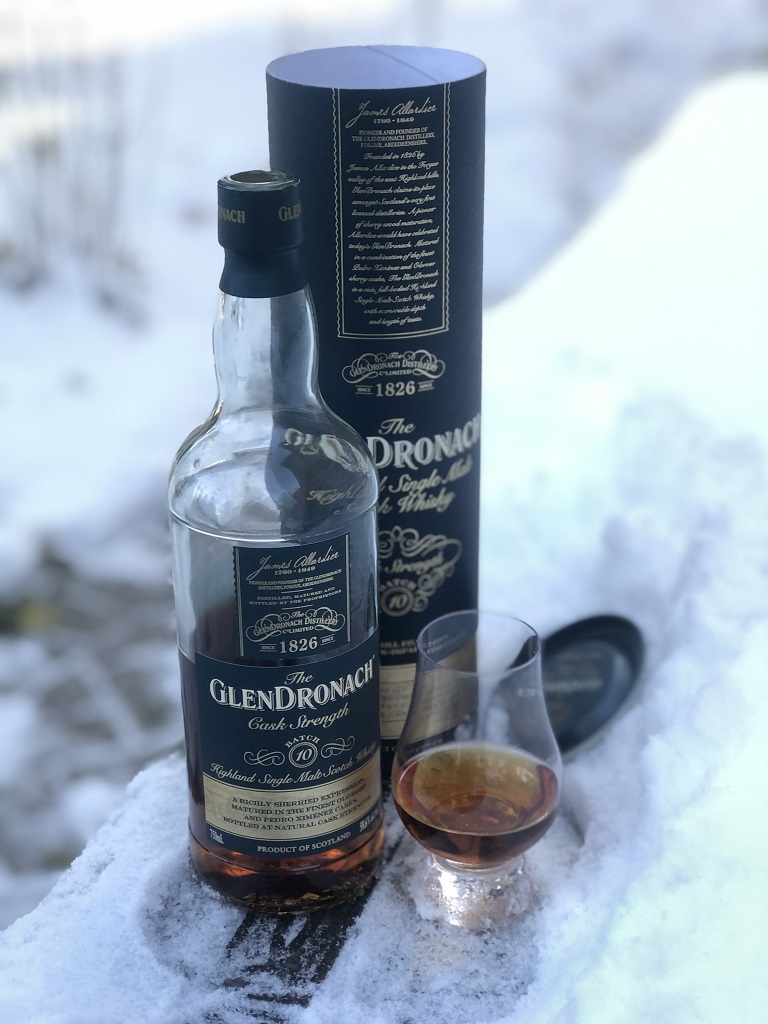
Single malt Scotch is whisky brewed from malted barley, manufactured at one Scottish distillery, and matured in oak barrels for at least three years. No mixing from multiple farmers, no corn, wheat.
(Credit: Randal H. Borkus)
Single-malt beauty comes from purity. Methods, ingredients, and local water give each distillery’s whiskey a flavor. Fans adore it since each malt is unique to its origin.
What “Blended Whiskey” Really Is
Blended whisky differs. Most whiskies are blends of malt and grain whiskey from different companies.
In the 1800s, it became possible to blend. Blending whiskey from different sources balanced flavors and smoothed beverages. Blending eventually became an art. Expert “master blenders” blended dozens of whiskies to create a balanced, accessible, and consistent product.
Character is less important than harmony in blends. Newcomers find them softer, smoother, and easier to enjoy.
What Sets Single Malt Whiskey Apart from Blended Whiskey
This simple comparison shows the differences to make things easier.
Single-malt whisky
- Completely malted barley.
- Made at one distillery.
- Complex and distinct flavors.
- Sometimes called “premium” or artisanal.
- Different brands differ substantially.
Blended Whiskey
- Malt and grain whiskey from some different producers.
- Made to be smooth and balanced.
- Less expensive and consistent in flavor.
- Suitable for drinking and making drinks.
- Represents the blender’s skill, not a distillery’s.
The two can be great. It depends on your drink preferences.
Story Behind Prestige
People revere single malt because of tradition. Scottish distilleries like Glenfiddich, Macallan, and Laphroaig have perfected their trade for generations. Their whiskies come from Speyside, Islay, or the Highlands, each with its distinct flavour.
Islay malts smell like campfires and smoke near the lake. Speyside whiskies are sweeter and include apple and honey tastes. A single malt symbolizes a distillery and is considered art.
Blends, on the other hand, were popular due to their reliability. The identical flavours of Johnnie Walker, Chivas Regal, and Dewar’s contributed to their meteoric rise to fame. Single malts indicate its origin, whisky mixing ability, and consistency.
Taste and Texture: What to Expect
Single malt and blended whiskey differ. A malt usually seems complex. It might smell like fruit, spice, wood, or smoke. It tastes different when sipped. Some call it a glass-story adventure.
A blended whisky is smoother and lighter. It’s easier to get into at first tasting since its sides are softer. A flexible option for beverages, cocktails, and nights in. They suit various moods, neither is superior.
The Role of Aging and Barrels
Aging gives single malts and blends character. Oak barrels color, deepen, and aromatize whiskey. It gets richer with age.
Age claims might be ambiguous. A “12 years old” single malt indicates all the whisky within was matured for 12 years. That number shows you which whiskey in the blend is the newest..
Age adds complexity. In wood, single malts take up sherry, bourbon, and wine cask characteristics. Blends follow this idea but combine different-aged whiskies to get a taste.
Why Single Malts Feel More “Exclusive”
The discussion revolves upon price. Because just one distillery makes them, single malts cost more. Collectors pay premium sums for their quality and distinctiveness.
Some single malts are uncommon and precious because of tiny batches or barrel editions. A bottle like that seems like history to aficionados.
Large-scale blended whiskies are cheaper. It doesn’t make them less important. A lot of mixes have quality malt whiskey in them, which may taste and cost the same as single malts.
Common Whiskey Myths
Whiskey culture has many myths due to its lengthy history. Let’s make some of the more prevalent ones clearer.
Myth 1: Blends are usually worse than single malts
Nope. There are both regular single malts and fantastic combinations. Quality is more essential than the label.
Myth 2: Blends are inexpensive whiskies that don’t do anything.
Some are, but not all. Handmade mixtures like Johnnie Walker Blue Label and Chivas Regal 25 are also quite pricey.
Myth 3: You have to drink whiskey straight
Can, but not necessary. Adding a few drops of water or an ice cube makes the flavor better.
Myth 4: Age automatically means better taste
Older whiskies cost more but may not taste better. It varies by barrel, environment, and taste development.
Whiskey Enjoyment Made Simple
People often think of whiskey as a fight between purists and ordinary drinkers. You shouldn’t judge whisky; you should enjoy it.
If you like smoke, Islay single malts are great. Blended Scotch with soda is fine if you enjoy its gentle sweetness. If you enjoy drinking it, there’s no incorrect method.
Blends are best for beginners. Smoother, cheaper, and accessible. Once you’re curious about tastes, explore regional single malts. All will relate different tales.
Beginning Your Whiskey Journey
These basic recommendations for whiskey beginners will enhance your experience:
Start with blended whisky
It’s cheap, pleasant, and explains basic flavors.
Add a splash of water
Strong alcohol notes are softened and hidden scents released.
Explore different regions
Scotland has a wide selection of whiskies, from the smoky Islay to the fruity Speyside.
Do not rush
Take tiny sips to allow flavors to develop.
Experiment
You can drink whiskey straight, in cocktails, or on the rocks, depending on what you want. Keep in mind that whiskey is about trying new things, not rules.
So, Which One Should You Choose?
Single malts offer richness, originality, and depth. Explore and enjoy this leisurely drink.
Those who like smoothness, consistency, and value will love blended whiskey. Perfect for parties, drinks, and sipping.
Like solo performers, single malts have their own voice and individuality. Blends sound like orchestras with coordinated instruments. Both produce wonderful music in distinct ways.
Final Thoughts
There isn’t actually a conflict between mixed whiskey and single malt. Any form of party. There are those who like and support both types. There is one for you whether you want to relax with friends over a campfire or sip whiskey after a hard day.
You should drink what you desire, not what other people advise you to. Whiskey isn’t about status or money; it’s about connection, comfort, and the serene joy of raising a glass.