Australian Whisky Went From Nil To World Class
Australian whiskey transformed from a niche local spirit into one of the fastest-rising categories in the global industry.
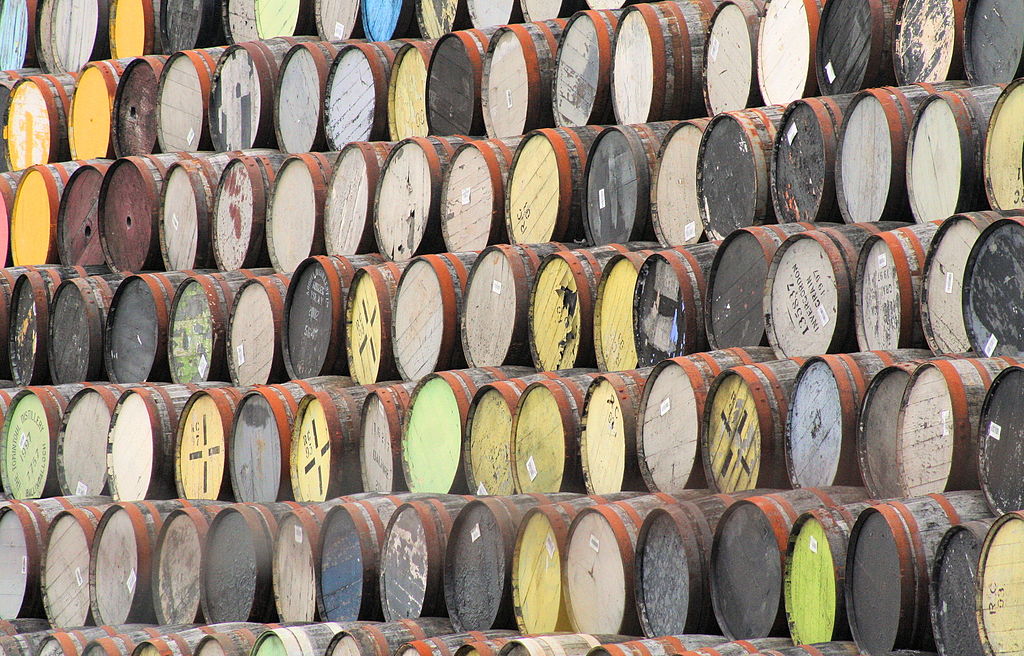
(Credit: Josh Haslam/Wikimedia Commons CC BY 2.0
Twenty years ago, Australian whiskey barely registered. A few small distilleries made limited batches for local drinkers, while most people still reached for Scotch or Irish bottles. Outside Australia, hardly anyone paid attention. The idea that Tasmania could produce whiskey better than Scotland sounded ridiculous.
By 2026, the story completely changed. Australian whiskey now wins major awards at the World Whiskies Awards, the San Francisco World Spirits Competition, and the International Wine & Spirit Competition. No modern whiskey region has risen this quickly.
The Tasmanian Advantage
Most of Australia’s top whiskey still comes out of Tasmania. The island’s climate suits maturation far better than the mainland, giving distillers conditions much closer to Scotland.
| Factor | Tasmania | Mainland Australia |
|---|---|---|
| Climate | Cool, steady temperatures | Hot and inconsistent |
| Water source | Soft rainwater | Harder mineral-heavy water |
| Maturation loss | 2-5% annually | 8-15% annually |
| Aging speed | Slow and controlled | Rapid and uneven |
Tasmania’s cooler weather slows the interaction between spirit and oak. Distillers can mature whiskey longer without smashing it with overpowering wood influence. A cask sitting twelve years in Tasmania may drink like an eight-year-old Scotch. The same barrel left in Queensland for five years can come out tasting massively overworked, full of aggressive oak and tannins.
Why Australian Whiskey Hits Different
Australian whiskey carved out its own personality instead of trying to mimic Scotch. Climate plays a huge role in that flavour profile.
- Richer texture – slower maturation builds heavier, oilier whiskey
- Fruit-heavy character – peach, apricot, and tropical fruit show up regularly
- Chocolate and coffee notes – Australian barley and cask handling create dessert-style flavours
- Less peat – most producers avoid heavy smoke altogether
- Experimental casks – distillers use apera, tawny, and Barossa red wine barrels for extra depth
Plenty of drinkers who find Scotch too smoky or bourbon too sweet end up landing comfortably in the middle ground with Australian whiskey. It stays approachable while still carrying plenty of complexity.
Fine Spirits Meet Fine Gaming Options
People who appreciate craftsmanship behind a quality dram usually value the finer details in entertainment too. That same mindset often carries into online gaming, where players spend time researching reliable platforms before putting any money down. Browsing no-deposit-casino-nz.online/75-free-chip-no-deposit-bonus/ helps players compare trusted operators, payment speeds, and platform reputation before jumping in.
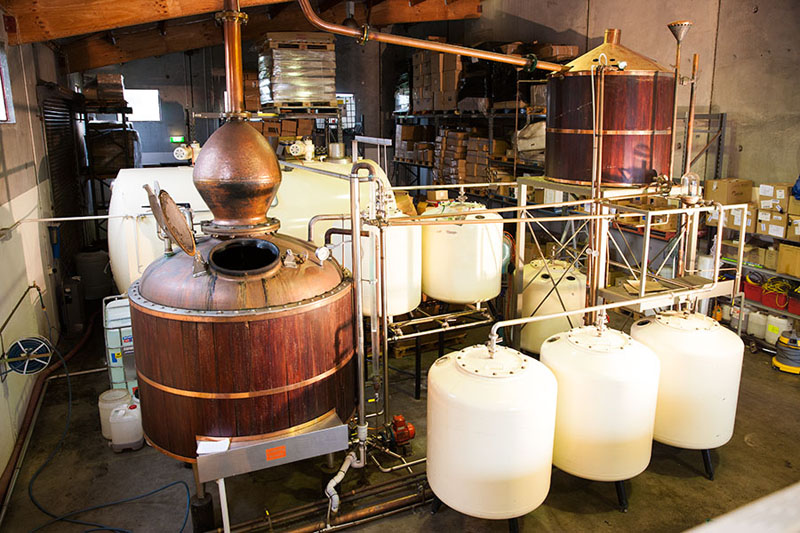
(Credit: Sullivans Cove)
The range of games is massive. Some players stick with classic slots like Mega Moolah, Starburst, or Book of Dead. Others lean into live dealer tables with real croupiers spinning roulette wheels or running baccarat streams in real time. A top paying online casino NZ stands out by offering quick withdrawals and straightforward terms without unnecessary headaches.
Finding the best payout online casino NZ usually comes down to consistency. Players want platforms that actually process winnings properly instead of dragging things out. The highest payout online casino gives better long-term value while still delivering decent entertainment. Whether someone is chasing a jackpot or sipping a Tasmanian single malt after work, the appeal sits in the same place — quality matters.
The Key Distilleries Driving The Boom
Not every Australian distillery produces elite whiskey. A handful of names dominate awards and collector demand.
- Lark Distillery (Tasmania) – The original trailblazer. Bill Lark reignited Tasmanian distilling. Classic Cask and Tawny Cask remain flagship bottles.
- Sullivan’s Cove (Tasmania) – Became globally famous after winning World’s Best Single Malt in 2014. French Oak Cask bottles now sell for ridiculous money at auction.
- Hellyers Road (Tasmania) – Produces larger volumes than most Tasmanian distilleries. Pinot Noir Cask finish remains a standout.
- Starward (Victoria) – Uses Australian wine barrels heavily. Fast maturation creates bold fruit-driven whiskey.
- The Gospel (Victoria) – Focused entirely on rye whiskey using local grain. Spicier and sharper than most Tasmanian expressions.
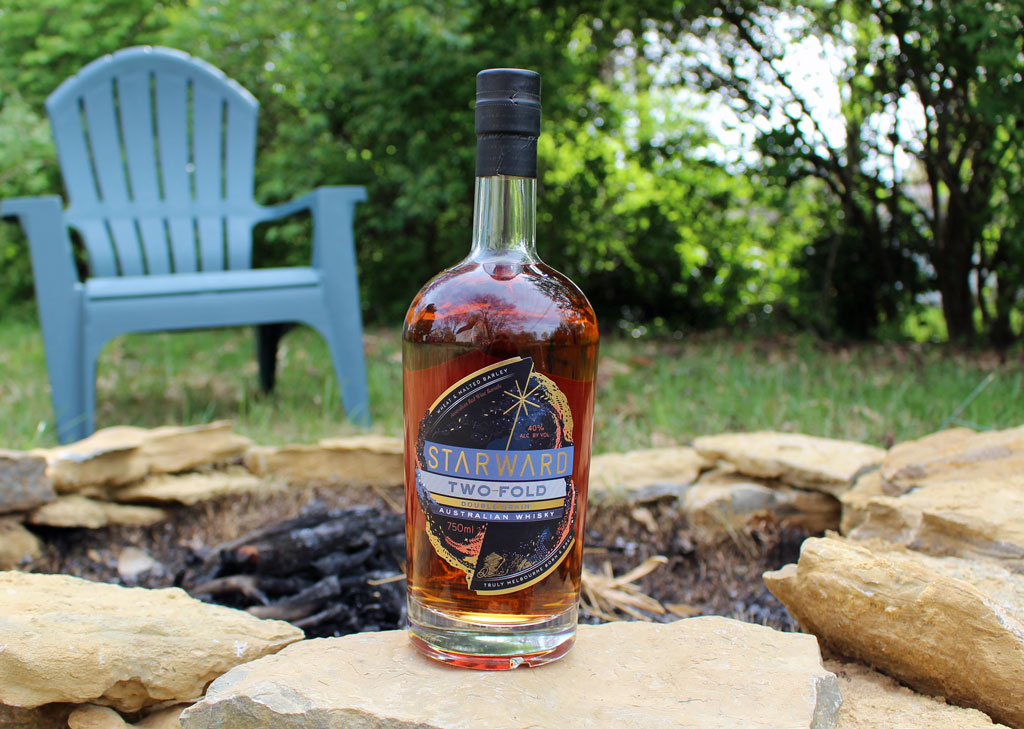
(Credit: Richard Thomas)
Each distillery pushes its own style. Lark sticks close to traditional methods. Sullivan’s Cove obsesses over cask quality. Starward embraces Australian wine influence without hesitation. The diversity gives drinkers plenty of options depending on taste.
What Critics Say About Australian Whiskey
Jim Murray’s Whisky Bible regularly scores Australian expressions extremely high. Several bottles cracked 95+ points in recent editions. Whisky Advocate continues featuring Australian distilleries in annual top rankings. Independent critic Serge Valentin from Whiskyfun has repeatedly praised producers like Lark and Sullivan’s Cove.
Common notes across reviews include:
- Nose – tropical fruit, honey, vanilla, citrus
- Palate – butterscotch, dried apricot, dark chocolate, spice
- Finish – warming oak, dried fruit, lingering sweetness
Critics often point out how smooth Australian whiskey feels compared to younger Scotch or bourbon. That softer entry point attracts drinkers who normally avoid whiskey entirely.
Challenges Facing Australian Distilleries
Success created fresh problems. Demand now pushes well beyond supply. Distilleries face several major hurdles:
- Cask shortages – quality ex-bourbon barrels have become expensive and harder to secure
- Angel’s share losses – evaporation still strips away spirit every year, especially on the mainland
- Scaling production – small-batch quality becomes difficult to maintain once output expands
Tourism also plays a huge role in distillery revenue. Tasmania’s whiskey trails pull in thousands of visitors annually. Any slowdown in international travel hits cellar doors and tour bookings hard.
The Ongoing Debate — Australian Or Tasmanian
Some producers argue that “Australian whiskey” has become too broad. Tasmanian whiskey tastes dramatically different compared to mainland styles because of the climate gap.
Purists want Tasmania recognised as its own whiskey region alongside places like Speyside or Islay. Others reckon splitting categories would only confuse drinkers now that Australian whiskey finally built global recognition.
For now, most bottles still carry “Australian Whiskey” on the label, with Tasmania mentioned separately underneath. Serious whiskey fans usually check the distillery location before buying anyway.