Q&A With Jake Norris, Colorado’s Seminal Distiller
By Richard Thomas
(Credit: Curated Barrel Project)
In the minds of nearly all my colleagues, Colorado ranks in the Top 5 of American whiskey states. The Centennial State hosts a diverse whiskey scene, one that takes advantage of its very not-Upper South, mile high-plus climate to produce whiskeys that are fan favorites.
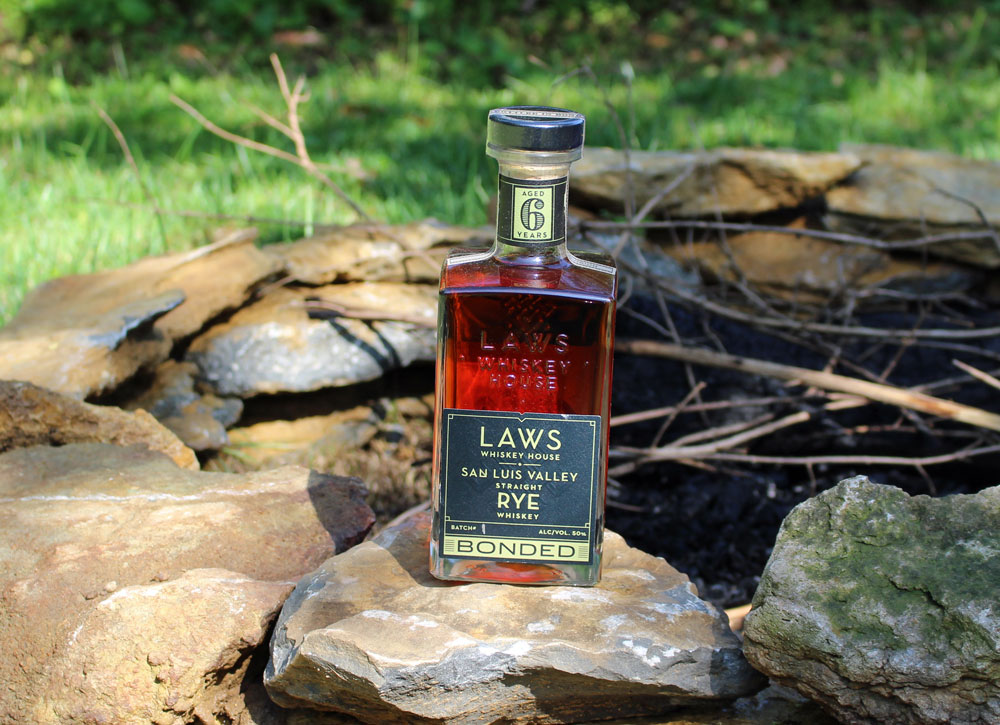
Colorado also had a distillery that was part of the forerunners of the craft whiskey boom with Stranahan’s, which first fired up its stills in 2004. Although founded by Jess Graber and George Stranahan, the first distiller at Stranahan’s was Jake Norris. Since then, Norris has gone on to become one of those figures in small distilling and especially Colorado whiskey that if you don’t know his name, I need to ask if you were ever really paying attention. From Stranahan’s, Norris went on to become the first lead distiller at another Colorado distillery that should be familiar to any self-respecting enthusiast: Laws Whiskey House.
Norris has also founded a whiskey club, consulted, and now has two new projects to his name. In addition to being involved in the start of yet another small distillery, Norris has also launched his own Non-Distiller Producer (NDP) brand. I had wanted to interview Norris for years, but once I became aware of the new projects, doing so became a priority.
RT: I remember reading several years ago that your first alcohol-making experience was in setting up a fuel alcohol-making plant at home, and I’ve always felt like I needed to hear all about it. So please, do spin that story.
JN: I was actually born in a subsistence farming hippie commune in West Virginia, and my dad always maintained that great library of books on homesteading and folk arts. My initial interest in alcohol production started when I was maybe 14 – I do not remember exactly. I stumbled across an article in one of my dad’s homesteading books about converting an old farm truck to run on grain alcohol, and it references another article on how to produce that alcohol. I was blown away that we could make fuel from food! It really captured my imagination.
When my parents met, they were homesteaders, very much part of that back-to-the-land, hippie-adjacent culture. They wanted to be self-sufficient and live off the land, and turning excess grain into alcohol was a long-standing tradition in that world. It was an efficient way to preserve grain – spirit does not spoil, mice do not get into it, and it can be used for everything from herbal extractions and folk medicine to running a tractor or passing around a jar at the barn dance.
Growing up the way I did, there was always a lot of room for exploration, experimentation, and figuring things out for yourself. By the time I got old enough to be interested in drinking, that same line of research started to take on a slightly different meaning.
(Credit: Richard Thomas)
RT: Describe getting from there to starting as the original head distiller at Stranahan’s.
JN: In my twenties, I was obsessed with distillation and really wanted to become a professional distiller. I looked into what kind of education or background I would need and quickly realized the traditional route was not for me. I had gone to art school, and getting a degree in organic chemistry just was not in the cards. So I resigned myself to being a serious hobbyist and distilling simply for the love of the game.
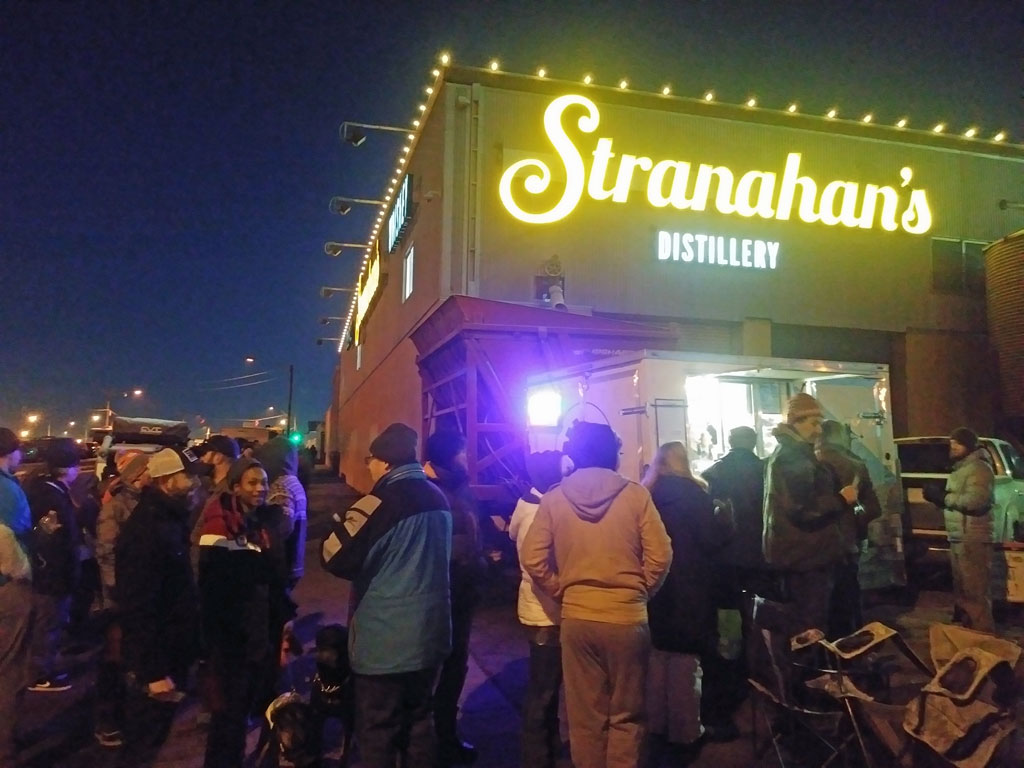
Fast forward to the day I met Jess Graber, the founder of Stranahan’s, I was working at the Celtic Tavern on 18th and Blake in LoDo Denver. At the time, it was one of the most popular bars in the city, with a huge whiskey selection, and I had become the resident whiskey educator there. Jess came in, sat at the bar, and asked for me by name: “Is Jake Whiskey working?” Someone pointed me over, and he told me he had heard I was the guy to talk to about making whiskey.
He said, “I hear you are the guy to talk about making whiskey.”At first, I misheard him and launched into my usual whiskey-education spiel. I asked what he was drinking, and he ordered a Jameson. I started talking about Irish whiskey, malted versus unmalted barley, Bushmills Black Bush, all of it. While I was rambling, he reached into his pocket and put a little homemade-looking business card on the bar that said “Stranahan’s Colorado Whiskey.” That got my attention. I asked if he was opening a whiskey bar or liquor store, and he said, “No, I am going to make the first whiskey ever distilled in Colorado.”
I could barely contain myself. I told him I was very interested in distillation, bought him another drink, and asked if I could show him the design for the still I was about to have fabricated. He said he already knew I was into distillation – a friend of mine at Flying Dog Brewery had given him my name and told him to look me up if he needed a distiller. Apparently, my name kept coming up every time he asked around about whiskey.
We sat down at an empty table, and I sketched the latest version of my hobby still on the back of a few coasters. He looked at the drawings, looked up at me, and said, “How would you like to be my distiller?” I was overjoyed. He told me he would be back in town the following week for a formal interview, so I spent that week cobbling together the most ramshackle resume imaginable – mostly pictures from my trip through Scotland, where I had toured distilleries and photographed stills. At the end of that conversation, he offered me the job.
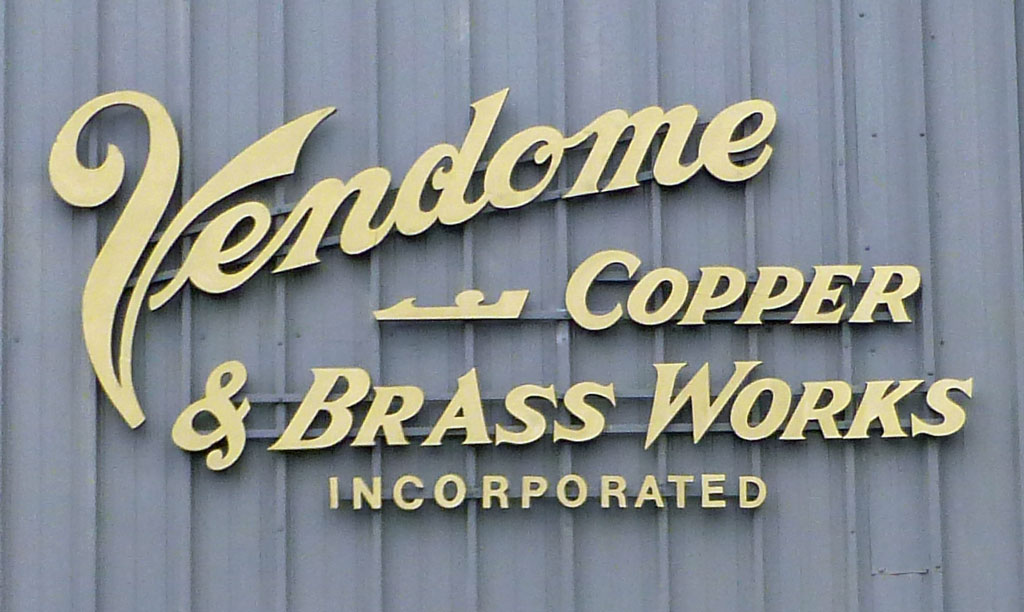
We started Stranahan’s on less than a shoestring budget. Jess had managed to scrape together enough money to buy a little 160-gallon still from Vendome. We both kept our day jobs because we assumed we would have to subsidize the whiskey for quite a while. I worked my Stranahan’s schedule around my bartending shifts so I could afford to do it. Jess kept his job as a general contractor in Eagle County. I have never been more tired, and I have never been happier. I bought a camping cot and often put in 20-hour days – it was easier to crash in the barrel house than drive home, sleep for two hours, and come back. As Stranahan’s started to attract real attention, we were able to hire more people, and life became at least somewhat more normal. Eventually, I was able to quit bartending and work on whiskey full-time.
RT: Between Stanahan’s, Laws Whiskey House, co-founding the Denver Whiskey Club, consulting and what you are working on now, you’ve been a major character in Colorado whiskey from its beginnings more than two decades ago to the present day. It’s like your a distilling version of SLC Punk’s Steveo and Bob: the scene literally grew up around you. When you look back on it all, how much ownership do you feel over the way Colorado whiskey-making has turned out?
JN: That is funny: I have not thought about SLC Punk in years. But yes, I guess I have been in craft distilling as long as it has been an industry. When Jess and I started making whiskey in that little dusty warehouse on Blake Street, we had no idea we were standing at the front edge of something that would sweep across the country and even go international.
(Credit: Richard Thomas)
The first wave of craft distillers was really made up of a bunch of mavericks and oddball misfits who insisted on doing things their own way. In those early days, every bit of experience and every small advantage felt critical, so we were very protective of our “secret sauce.” People did not share much, and distilleries did not collaborate the way breweries often did.
As the industry grew, more of us came to understand that a rising tide lifts all ships. But by then, a culture of secrecy had already taken root, and I do feel at least partially responsible for helping foster that rather than encouraging more openness and collaboration.
At the same time, the whole point of craft distilling was to do things differently from the big distilleries. I have always felt strongly about doing things the right way – transparency, authenticity, integrity, and a real commitment to quality. Before the craft distilling revolution, just seven giant distilleries were responsible for all the spirits being made in the United States. After decades of incremental compromise, the gene pool of American whiskey had gotten pretty weak. Craft distilling created an opportunity for people who were passionate about whiskey and willing to do things the hard, expensive way, to breathe some life back into whiskey. We wanted to bring whiskey back into the hands of makers. People who gave a shit.
If anyone had told me when we started that I would someday be considered some kind of grandfather figure in ANY industry, I would never have believed them.
(Credit: Curated Barrel Project)
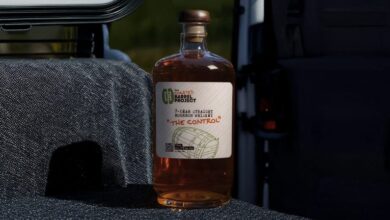
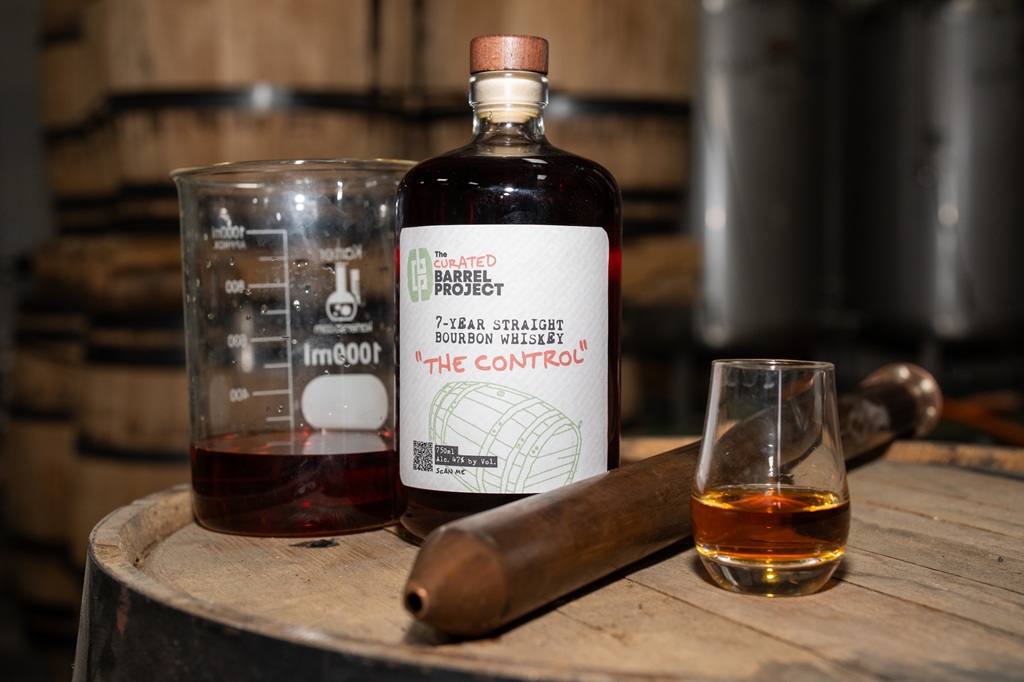
RT: So, you’ve started the Curated Barrel Project and the initial release. What’s in that first bottling and how did you bring it into being?
The Curated Barrel Project is, in a lot of ways, a big art project for me. An opportunity to have some fun and do something different. After years of working for other people and consulting, I reached a point where I wanted to build something of my own and do it my way.
I had grown increasingly disappointed with whiskey culture over the last decade. To me, whiskey has always been about experience – sharing a moment, deepening a conversation, making a night around the campfire unforgettable. But now so much of the best whiskey ends up on a shelf, admired instead of shared, it’s maddening.
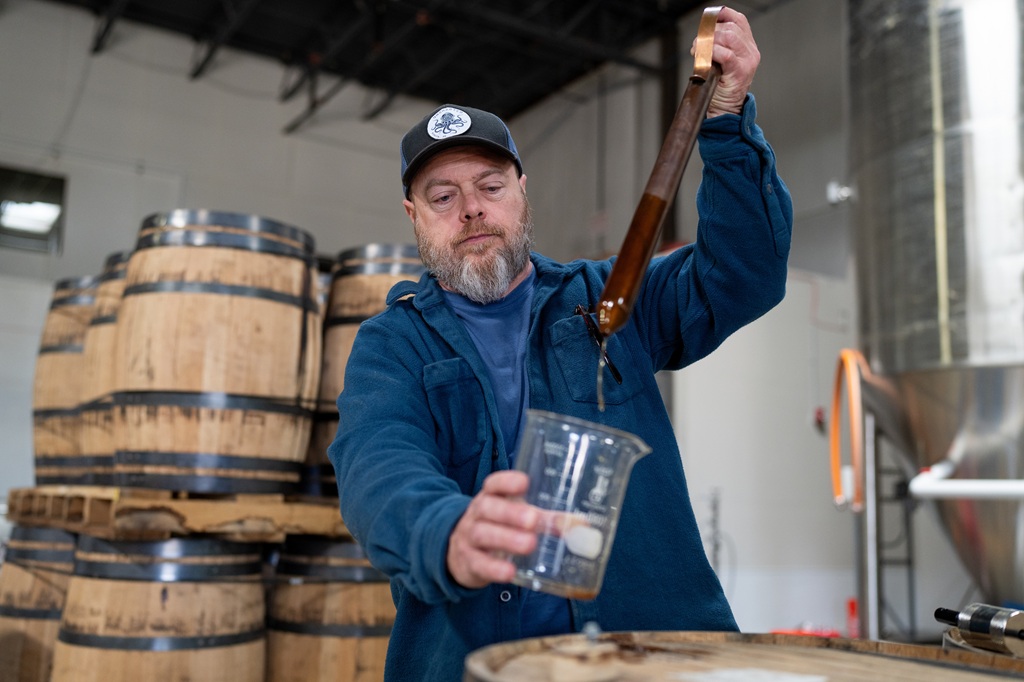
So the idea behind the Curated Barrel Project was to create a series of great whiskeys that are worthy of collecting, but intended to actually be opened and enjoyed. About seven years ago, I laid down 30 barrels at a friend’s distillery in North Carolina. At the time, I thought I would sell them to a client, but over the years, the whiskey kept maturing and became something really special. I got attached to it. I did not want to just sell it off to some stranger.
One afternoon, I was talking with my distillery business partner Scott about the Snowflake program I created at Stranahan’s, and we were talking about how our favorite whiskey experiences were tied to memorable meals, random people, and unexpected moments… and the pieces started to fall into place. That was really the spark for the Curated Barrel Project.
When the team finally came together, we all talked about why we wanted to make whiskey in the first place. We agreed that whiskey can be a medium for connection – something that deepens conversation, commemorates important moments, and turns a good evening into a great one. That led to the idea of “the greatest dinner party of strangers” – using whiskey as an excuse to bring people together. A big family-style dinner, great conversation, and creating unexpected connections through food and drink.
At the same time, I also wanted the project to be semi-autobiographical. I have dedicated my life to craft whiskey. Big whiskey is full of invented heritage and marketing mythology built around a tiny kernel of truth. That is not my story. I am not a twelfth-generation master distiller. My great-great-grandmother did not smuggle our recipe to America in the hem of her dress, and I was not a Civil War soldier. I am a punk kid from Arizona who barely graduated high school, went to art school, skateboarded, DJ, painted, and loves to cook. I want to tell that story, not a false narrative steeped in mythological bullshit, and represent the person that’s really behind this bottle. I wanted to share something real and personal with the people who chose to participate in this project.
That is why every release comes with a zine written by a few buddies and me, rubber-banded to the bottle. It tells people a little more about what they are drinking, but it also includes art, stories, and curated playlists. Inside is a QR code to buy tickets to that 50-person warehouse “dinner party of strangers”.
The idea of CPB is to curate a moment for the person at home: they open the box, pour a glass, put on the playlist, and flip through the zine. For a moment, they are inside my world. The whiskey fills their sense of taste and smell, the music fills their ears, the zine fills their eyes and mind, just a curated moment and then that experience expands outward into warehouse dinners and other events.
In a lot of ways, the ideas surrounding this thing are a throwback to my youth, when my brother had me drawing flyers for his bands and we were all at Kinkos making our own little zines on the copier, stapling them together, and putting them into the world. You gotta remember, before the internet, the means of production and distribution of music and publishing were tightly controlled, and making your own things was an act of defiance. The Curated Barrel Project carries some of that same spirit for me now as an old man hahaha… nostalgia, I guess.
RT: Since the Curated Barrel Project is built around a quarterly release plan, you must already have at least the next bottling prepared and perhaps the next bottling or two chosen and lined up. Any hints as to what comes next and is down the pike?
JN: Definitely. One of the things I am most excited about is the range of casks I will use. Between running the Snowflake program at Stranahan’s and later helping clients across the country develop specialty-finished whiskeys, I have had the chance to work with a lot of different finishing styles. For this project, I have basically cherry-picked my favorites and built an all-star lineup.
You will be seeing releases involving things like Port, Cognac, and Tojaki, just to name a few. I do not want to give away all the surprises, but I can say with confidence that they will be dope.
RT: You’re also working on a new whiskey distillery in Arvada. Truth be told, that was the first time I had ever heard of Arvada, and when I checked it out, the first thing I read was that drought restrictions would be in place starting next week. So, why go there and how far along is the new project?
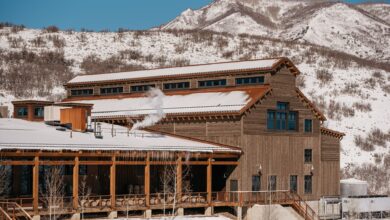
JN: We are in the final stages of construction on a large production facility in Arvada, which is a suburb just northwest of central Denver. We chose Arvada very deliberately. Denver is remarkably unfriendly to small businesses, and especially unfriendly to distilleries. After my experiences running Stranahan’s and Laws Whiskey House within Denver city limits, that was not a mistake I wanted to make again.
Arvada, on the other hand, has been a pleasure to work with throughout the process. It is a great town with a lot of history, and it has felt like a much better fit for what we are trying to build.
The whiskey industry is in the midst of a market correction, and the American craft sector has seen hundreds of small distilleries shuttered since the Pandemic. But you’re one of these people who was around to help start a small distillery before the Bourbon Boom was even a blip on the radar screen. And you’re engaged with a couple of new projects right now. So, what is your take on what the middle term future holds for whiskey?
There is no doubt about it – this is a scary time to be opening a whiskey distillery. But my philosophy has always been that “there is room on the shelf for another GOOD whiskey”.
Part of our strategy when we built this production facility was, in addition to our own whiskey, we could also handle contract distillation for other whiskey brands. If small distilleries cannot afford to maintain their own physical plants, they could work with us to produce their whiskey. And brands that might otherwise be sourcing from Indiana or Kentucky could instead have custom whiskey made right here in Colorado.
We have put together a great team, Scott, Nate, JB, and myself… and brought decades of experience to the design of this distillery and the whiskies we will be making. I don’t know what the future holds, but I do believe people continue to respond to well-made, authentic whiskey. That has always mattered, and I think it will continue to matter.