Wine, Bourbon or Champagne: Top Holiday Gift Bottles
Wine, bourbon, or champagne—which gets gifted most over the holidays? What the data says, plus how to match the right bottle to every person.
Every December, the same quiet question repeats itself in checkout lines at liquor stores across the country: is a bottle enough of a gift, and which bottle says the right thing? After years of watching how people shop for the holidays and unwrapping more than a few bottles myself, I’ve come to believe the answer is less about price and more about intention. A well-chosen bottle is one of the few gifts that gets used, shared, and remembered.
But which category actually wins the season? Below is what the numbers and the shopping floor both tell us about how Americans gift wine, bourbon, and champagne when the calendar turns cold.
The Holidays Are Peak Season for Alcohol Gifting
Alcohol isn’t a fringe gift; it’s a mainstream one. Roughly 64% of U.S. households buy alcohol during the November–December window, spending an average of about $102 in those two months alone, according to Numerator’s holiday shopping data. And a large share of that isn’t for personal consumption.
In one survey of holiday shoppers:
- 85.9% bought alcohol for a holiday-related event or to give as a gift
- 60.6% specifically purchased alcohol to give as a gift
- Nearly 1 in 4 gave a bottle to the host of a party they attended
That last figure matters. The rise of the “host gift” has quietly made alcohol one of the most reliable presents of the season: easy to bring, universally appreciated, and appropriate for relationships that fall somewhere between casual and close.
Wine: The Reliable Crowd-Pleaser
If gifting were a popularity contest measured in dollars, wine would take the crown. Red wine pulls in the most dollar sales of any alcohol category during the holidays, and it remains the default choice for family gatherings, office exchanges, and dinner-party hosts.
There are good reasons wine dominates:
- It scales to any budget. A thoughtful bottle can cost $20 or $200, so it works for a coworker or a father-in-law.
- It pairs with the occasion. Wine belongs on the holiday table, which makes it feel useful rather than obligatory.
- Sparkling is surging. Prosecco and other sparkling wines have been among the fastest-growing varietals, giving gifters a festive, celebratory option that sits between still wine and full champagne.
For anyone who wants the safety of wine without the guesswork, curated gift baskets have become a popular middle ground. Specialist retailers such as Wine & Champagne Gifts have built entire catalogs around this idea, pairing a bottle with chocolates, cheese, or glassware so the present feels complete rather than last-minute.
When Wine Is the Right Call
Reach for wine when you don’t know the recipient’s taste well, when the gift is for a couple or a household rather than an individual, or when it’s headed to a dinner where it can be opened and shared on the spot.
Bourbon and Whiskey: The Gift That Signals Thought
Here’s where the story gets interesting. While wine wins on volume, whiskey wins on meaning. In consumer preference surveys, whiskey consistently ranks as one of the most desired spirits to receive, landing second only to vodka in overall preference, with about 22% of respondents naming it their favorite. (If you’ve ever wondered whether to reach for a bourbon or a rye, the Difference Between Bourbon and Whiskey comes down to grain, geography, and how it’s aged, worth knowing before you buy.)
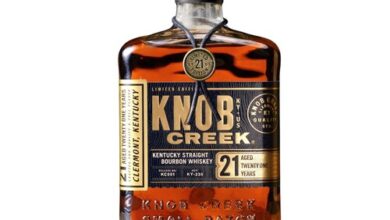
Whiskey and bourbon in particular have ridden the premiumization wave harder than almost any other category. Shoppers increasingly favor quality over quantity, gravitating toward top-shelf bottles, small-batch releases, and brands with genuine heritage. A bottle of bourbon reads as a considered gift in a way a generic bottle rarely does.
What makes bourbon such a strong holiday performer:
- It signals effort. Choosing a specific expression suggests you thought about the person, not just the occasion.
- It ages well as a memory. Unlike consumables that vanish, a good bottle often gets saved for a milestone.
- It’s collectible. Enthusiasts genuinely track and trade bottles, so a rare pour can be a standout gift.
For the whiskey lover on your list, a well-assembled gift set bottle plus glassware, stones, or tasting accessories turns a single pour into an experience. That’s the kind of curation the 2026 gifting trend is rewarding, and whiskey-focused shops like DC Wine and Spirits have leaned into it. If you’re stuck on which bottle to choose, retail gift guides such as this rundown of good whiskey for a gift are a helpful shortcut.
When Bourbon Is the Right Call
Choose bourbon when you’re buying for someone specific whose taste you know, when you want the gift to feel personal, or when the recipient is the type to appreciate the craft behind the bottle. It’s the anti-generic gift.
Champagne: The Celebration Bottle
Champagne occupies its own emotional category. People don’t gift champagne to be practical; they gift it to mark something. It’s the bottle most tied to weddings, anniversaries, New Year’s Eve, and Christmas toasts, and its associations are almost purely celebratory.
Because of that, champagne behaves differently as a gift:
- It’s occasion-driven. A bottle says “let’s celebrate,” which makes it perfect for engagements, promotions, and year-end gatherings.
- It photographs and presents beautifully. The bottle itself is part of the gift, which is why it’s a frequent choice for gift baskets and hostess presents.
- It carries a premium halo. Even a modestly priced sparkling bottle feels luxurious, punching above its cost.
The trade-off is specificity. Champagne shines when there’s something to toast, but it can feel slightly out of place as a quiet, everyday thank-you.
So Which One Actually Wins?
If we’re keeping score, the honest answer is that they win different categories:
- Most given by volume and dollars: Wine (especially red and sparkling)
- Most desired to receive / highest “thoughtful gift” signal: Bourbon and whiskey
- Most celebratory / occasion-specific: Champagne
The smartest gifters match the bottle to the relationship and the moment rather than defaulting to one category. Wine for the many, bourbon for the one, champagne for the milestone. And when in doubt, a reputable wine and spirits retailer with a strong holiday selection makes it easy to cover all three without a last-minute scramble.
Frequently Asked Questions
What is the most popular alcohol to give as a gift during the holidays? Wine, particularly red and sparkling, accounts for the most gift purchases by dollar sales. However, whiskey ranks as one of the most desired spirits to receive, making it the strongest choice when you want the gift to feel personal.
Is bourbon or wine a better holiday gift? It depends on the recipient. Wine is the safer, more universal choice for hosts, couples, and people whose taste you don’t know well. Bourbon is the better pick for a specific whiskey lover, because choosing a particular bottle signals genuine thought.
How much do people typically spend on alcohol gifts? U.S. households spend roughly $102 on alcohol across November and December, though individual gift bottles commonly range from $20 to $100+ depending on the relationship and occasion.
Is champagne only appropriate for New Year’s? No, champagne suits any celebratory moment, including weddings, anniversaries, promotions, and Christmas toasts. It’s simply best reserved for occasions with something to celebrate rather than as a low-key thank-you.
Are gift baskets better than a single bottle? Gift baskets photograph well and feel more complete, which suits hosts, corporate gifting, and long-distance presents. A single premium bottle, meanwhile, often lands better with a true enthusiast who values the pour itself over the packaging.
The Bottom Line
The “best” alcoholic gift isn’t a category; it’s a match. Wine is the dependable people-pleaser that shows up at the most tables. Bourbon is the personal, premium bottle that says you paid attention. Champagne is the celebration in a glass. Understand what each one signals, and you’ll never hand over a bottle that feels like an afterthought again. This holiday season, let the occasion, not the price tag, pick the pour.
Cheers, and drink responsibly. You must be 21 or older to purchase or receive alcohol.