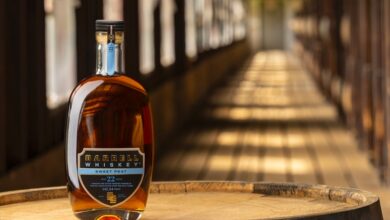
How To Build Your Whiskey Collection: A Beginner’s Guide

Whiskey collecting can be a deeply rewarding hobby. It allows you to explore new tastes, styles, and distilleries. The process of building a collection goes beyond simply acquiring bottles — it’s about curating a selection that reflects your personal preferences while offering investment potential and rare finds.
As you would carefully select the best paying online casinos to maximize your gaming experience, curating a whiskey selection requires knowledge and passion. With the right approach, you can start a collection that not only satisfies your palate but also impresses any connoisseur.
Step 1: Understand the Basics of Whiskey
Before you begin collecting, it’s essential to have a solid understanding of the different types available. It comes in various styles, each with its own unique characteristics:
- Scotch whiskey: Known for its smoky flavor, Scotch is typically made from malted barley and aged in oak casks. It’s usually associated with regions like Speyside, Islay, and Highland.
- Bourbon: An American whiskey made primarily from corn, bourbon has a sweeter profile with notes of caramel, vanilla, and oak.
- Irish whiskey: Known for its smoother and lighter taste, it’s made from a mix of malted and unmalted barley.
- Rye whiskey: Made from rye grain, this type tends to have a spicier, sharper flavor compared to bourbon.
Each type offers a different experience, so knowing what appeals to you is essential in starting your collection. Keep in mind that your tastes may evolve over time, and a variety of styles will keep your collection diverse and interesting.
Step 2: Set a Budget
Whiskey collecting can range from affordable to extravagant, depending on your goals. It’s important to set a budget to guide your purchasing decisions. Determine how much you’re willing to spend per bottle and how much you want to invest over time. Starting small with budget-friendly bottles will allow you to expand your collection gradually. As it grows, you can start focusing on rarer, limited-edition bottles that may require a larger investment.
Step 3: Start With the Essentials
Every good whiskey selection has a foundation of classic, well-regarded bottles. These are your go-to choices that form the core of your collection. Start by choosing a few bottles from different types:
- Bourbon: Look for well-known brands like Buffalo Trace or Maker’s Mark.
- Scotch: A bottle of Glenfiddich or The Macallan offers a good entry into Scotch.
- Irish whiskey: Try Jameson or Redbreast for a quality option.
These foundational bottles are perfect for developing your palate, and over time, you’ll discover which types you enjoy the most. From there, you can start refining your collection.
Step 4: Focus on Rare and Limited-Edition Bottles
Once you’ve established your collection’s foundation, focus on acquiring rarer and limited-edition bottles. These are often the jewels of any whiskey collection. Limited editions, special releases, and older bottles can increase in value over time, which makes them an attractive choice for both collectors and investors.
Look for annual releases from distilleries, such as The Macallan’s Fine & Rare Collection or Glendronach’s Single Cask releases. These often have unique flavor profiles and limited availability. You can also consider bottles from smaller, independent distilleries that produce limited runs. These can be harder to find but are highly sought after by serious collectors.

Step 5: Invest in Age and Quality
Older whiskeys, especially those aged in oak casks for decades, often have a smoother, more complex flavor profile that makes them more desirable. While you don’t need to invest in extremely rare 50-year-old bottles right away, consider purchasing from distilleries known for aging their whiskey well.
Scotch and bourbon aged for longer periods are typically smoother and richer in flavor, which makes them highly coveted in any collection. For example, bottles like The Glenlivet 18 Year Old or Pappy Van Winkle can offer substantial value. Balancing aged bottles with younger expressions will give your collection variety while still capturing the essence of fine whiskey.
Step 6: Store Your Collection Properly
If you plan to keep your collection for an extended period, store it in a cool, dark place. Heat, light, and temperature fluctuations can degrade whiskey over time, which may reduce its flavor and value.
This type of liquor should be stored upright to prevent the cork from coming into contact with the liquid, which could lead to spoilage. A climate-controlled storage unit or a dedicated whiskey cabinet is ideal for maintaining optimal conditions. If you’re storing it for long periods, consider using a humidor or specialized storage solution.
Step 7: Join Whiskey Communities
Whiskey collecting is a hobby that thrives on shared knowledge and passion. Joining communities, both online and offline, can help you stay informed about new releases, rare finds, and investment opportunities. Look for clubs, tasting events, and online forums where you can connect with fellow collectors and share advice. Engaging with like-minded individuals will help you refine your collection and deepen your understanding of the world of this unique spirit.