Can You Store Whiskey in the Fridge? Everything You Need to Know
(Credit: Richard Thomas)
Whiskey is one of the world’s most enjoyed spirits, appreciated for its rich flavors, complex aromas, and long shelf life. Whether you enjoy a smooth bourbon, a smoky Scotch, or a spicy rye, you’ve probably wondered if storing whiskey in the refrigerator is a good idea. While some people prefer their whiskey chilled, others argue that refrigeration can dull its flavor and aroma.
The good news is that whiskey is much more forgiving than wine or beer when it comes to storage. Because of its high alcohol content, it doesn’t require refrigeration to stay safe or maintain its quality. However, there are situations where chilling whiskey may be a matter of personal preference or convenience.
In this guide, we’ll explain whether you should store whiskey in the fridge, how refrigeration affects its taste, the best ways to store whiskey at home or in a business, and how a reliable commercial refrigerator brand like WILPREP can help restaurants, bars, and hospitality businesses organize beverage storage efficiently.
Can You Store Whiskey in the Fridge?
The short answer is yes, you can store whiskey in the refrigerator. Unlike many alcoholic beverages, whiskey contains enough alcohol—typically around 40% ABV (80 proof)—to prevent spoilage under normal storage conditions.
Refrigerating whiskey will not make it unsafe to drink or damage the alcohol itself. However, cold temperatures can influence how the whiskey tastes and smells. Because many of whiskey’s distinctive flavors come from aromatic compounds, chilling the bottle suppresses those aromas, resulting in a smoother but less expressive drinking experience.
For casual drinkers who enjoy a colder, milder sip, refrigeration can be perfectly acceptable. For enthusiasts looking to appreciate every nuance of the spirit, room-temperature storage is generally preferred.
Does Refrigeration Change Whiskey’s Flavor?
Much of whiskey’s character comes from its aroma. Notes of vanilla, caramel, oak, fruit, spice, smoke, or chocolate become more noticeable as the liquid warms slightly in the glass.
When whiskey is refrigerated, these volatile aroma compounds evaporate more slowly. As a result, the nose becomes less pronounced, making the whiskey seem flatter or less complex.
This is one reason whiskey tastings are almost always conducted at room temperature.
Some drinkers actually prefer chilled whiskey because colder temperatures soften the perception of alcohol burn. This can make stronger whiskeys feel smoother and easier to drink, especially for beginners.
However, experienced whiskey enthusiasts often find that excessive chilling masks the subtle characteristics that distinguish one bottle from another.
Should You Refrigerate an Open Bottle of Whiskey?
It’s Usually Not Necessary
Even after opening, whiskey does not require refrigeration. The alcohol content protects it from bacterial growth, and oxidation occurs very slowly compared to wine.
Instead of refrigeration, focus on proper storage habits:
- Keep the bottle tightly sealed.
- Store it upright.
- Avoid direct sunlight.
- Keep it away from heat sources.
- Maintain a consistent room temperature.
Following these practices will preserve flavor for years.
Oxidation Is the Bigger Concern
Once opened, the main factor affecting whiskey quality is oxidation. As air enters the bottle over time, the flavor can gradually change, particularly when only a small amount remains.
If a bottle is nearly empty and you plan to keep it for a long period, transferring it to a smaller glass bottle can reduce the amount of air inside and help preserve its character.
What Is the Ideal Temperature for Whiskey?
Room Temperature Is Best
Most whiskey experts recommend storing bottles between 59°F and 68°F (15°C to 20°C).
At this temperature:
- Aromas remain expressive.
- Flavors stay balanced.
- Alcohol remains stable.
- The whiskey develops naturally in the glass after pouring.
Consistency is more important than achieving an exact temperature.
Avoid Temperature Fluctuations
Repeated heating and cooling can accelerate expansion and contraction inside the bottle, potentially affecting the seal over time.
Choose a storage location that remains cool, dry, and relatively stable throughout the year.
When Does It Make Sense to Chill Whiskey?
For Personal Preference
Some people simply enjoy cold whiskey, especially during hot summer months. If refrigeration makes the drink more enjoyable, there is nothing wrong with chilling the bottle before serving.
Others prefer placing whiskey stones or a single large ice cube in the glass instead of refrigerating the entire bottle.
(Credit: Richard Thomas)
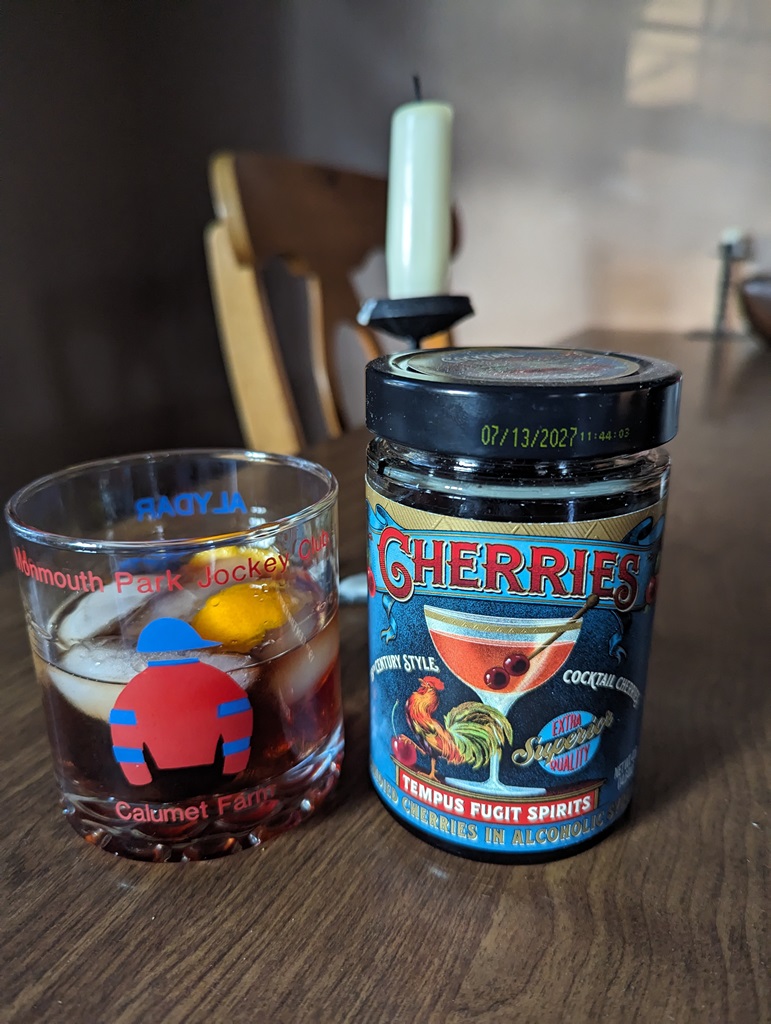
For Cocktails
Many whiskey-based cocktails are served cold.
Examples include:
Old Fashioned
Although traditionally stirred with ice, keeping whiskey chilled beforehand can help maintain the cocktail’s temperature longer.
Manhattan
Cold whiskey mixes well with chilled vermouth for a refreshing cocktail.
Whiskey Sour
A refrigerated bottle can help produce a colder finished drink with less ice dilution.
Can Whiskey Freeze?
Not in a Household Freezer
Most household freezers operate around 0°F (-18°C).
Since whiskey typically contains about 40% alcohol, its freezing point is much lower—around -17°F to -27°F (-27°C to -33°C) depending on the proof.
As a result, your whiskey will not freeze solid in a standard freezer. Instead, it will become thicker and colder.
Even so, storing whiskey in the freezer isn’t recommended for long-term storage because the extreme cold significantly suppresses aroma and flavor.
How to Store Whiskey Properly
Keep Bottles Upright
Unlike wine, whiskey should always be stored standing upright. High-proof alcohol can slowly degrade natural cork if it remains in constant contact.
An upright position helps preserve the cork while preventing leaks.
Protect It from Sunlight
Ultraviolet light can gradually alter whiskey’s chemical composition, affecting both color and flavor.
Store bottles in:
- Cabinets
- Liquor shelves
- Pantries
- Home bars
Avoid windows or brightly lit display areas.
Maintain Moderate Temperatures
Heat accelerates chemical reactions that can slowly degrade whiskey over time.
Keeping bottles in a consistently cool environment is much more important than refrigerating them.
Whiskey Storage in Restaurants and Bars
Refrigeration Isn’t for Long-Term Whiskey Storage
Most bars and restaurants keep unopened and premium whiskey bottles on shelves rather than inside refrigerators. This preserves the spirit’s intended flavor profile while making bottles easily accessible for bartenders.
However, refrigeration still plays an important role in beverage service.
Bars often refrigerate mixers, syrups, garnishes, fresh juices, cream liqueurs, and cocktail ingredients that must remain cold to ensure food safety and drink quality.
Organizing Beverage Operations with WILPREP
For restaurants, bars, hotels, and hospitality businesses, investing in a dependable commercial refrigerator brand like WILPREP helps streamline beverage service. While whiskey itself is typically stored at room temperature, a commercial refrigerator provides reliable temperature control for cocktail ingredients, soft drinks, beer, wine, fresh fruit, dairy products, and other perishable items used behind the bar.
Designed for professional environments, WILPREP refrigerators feature spacious interiors, durable stainless steel construction, adjustable shelving, and efficient cooling systems that help businesses maintain organized storage and consistent temperatures throughout busy service hours. By separating shelf-stable spirits from refrigerated ingredients, operators can improve workflow, preserve product quality, and maintain a more efficient beverage station.
Common Whiskey Storage Mistakes
Storing Bottles Near Heat Sources
Keeping whiskey near ovens, dishwashers, radiators, or sunny windows exposes it to unnecessary temperature fluctuations that can affect long-term quality.
Leaving the Cap Loose
Always seal the bottle tightly after pouring. A loose cap allows excess oxygen to enter, accelerating oxidation and reducing freshness.
Refrigerating Rare or Premium Bottles
While refrigeration won’t spoil expensive whiskey, it can temporarily mute the complex aromas and flavors that make premium bottles worth enjoying. For collectible or high-end whiskeys, room-temperature storage is generally the better choice.
Forgetting About Humidity
Extremely dry environments may cause natural corks to shrink over many years, while excessive humidity can damage labels. Moderate indoor humidity provides the best storage conditions for long-term collections.
Conclusion
So, can you store whiskey in the fridge? Absolutely—but in most cases, you don’t need to. Whiskey’s high alcohol content allows it to remain stable at room temperature for years when stored properly. While refrigeration won’t harm the spirit, it can suppress the aromas and flavors that give whiskey its unique character.
For the best tasting experience, store whiskey upright in a cool, dark place with a consistent temperature and enjoy it at room temperature or with a small amount of ice, depending on your preference. If you operate a restaurant, bar, or hospitality business, focus your refrigeration space on mixers, fresh ingredients, and perishable beverages rather than the whiskey itself.
A dependable commercial refrigerator brand like WILPREP can help keep those refrigerated ingredients organized and safely chilled, supporting efficient beverage service while allowing your whiskey collection to remain in ideal storage conditions. With proper storage practices, every bottle—from an everyday bourbon to a rare single malt—can maintain its quality and deliver the rich flavors it was crafted to provide.