What to Do with a Rare Whiskey Bottle You Won’t Drink
Not planning to open that rare whiskey bottle? Learn how to store it properly, assess its resale value, and decide whether to keep, sell, or pass it down!
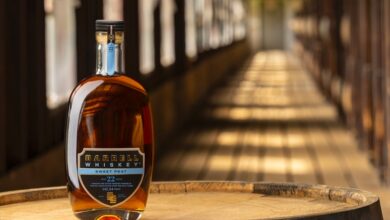
For whiskey lovers and collectors alike, few things match the excitement of acquiring a rare bottle. It might be a limited-release single malt, a bottle picked up on a distillery pilgrimage abroad, or a prized bourbon passed down in the family. But then comes the big question: what do you do with a bottle you don’t plan to drink?
Whether the goal is preservation, resale, or legacy planning, there’s no single correct answer. The good news is that a rare, unopened bottle of whiskey holds value far beyond what’s in the glass.
Display It with Care
Suppose you’re planning to keep your bottle long-term, whether as a showpiece or investment, presentation and protection matter equally. A beautiful bottle displayed well can be a conversation starter and a symbol of your whiskey journey. But it also needs the right environment to stay intact.
Whiskey bottle storage basics start with temperature: store bottles upright in a cool, dark place, away from sunlight and significant temperature swings. Over time, UV light can damage labels and degrade whiskey flavor, even through dark glass. Upright positioning prevents long-term cork contact, reducing the risk of crumbling or contamination.
If you’re proud of your collection, consider investing in a glass-front cabinet with humidity control and lighting that protects rather than fades. Displaying whiskey should elevate the bottle without putting it at risk.
Understand the Resale Path
One of the most common questions among collectors is how to resell whiskey legally and safely. While the secondary market for rare bottles is active, it’s also heavily regulated—and not something to approach casually.
Private sales of alcohol without a license are illegal in many jurisdictions. That’s why serious collectors often turn to reputable spirit auction platforms that handle the legal, logistical, and valuation aspects for them.
For example, companies like Good Bottle Auctions, which specialize in rare and collectible spirits, offer a secure, fully legal way to bring bottles to market. From verifying authenticity to setting competitive reserves and handling buyer outreach, working with a dedicated whiskey auction house simplifies the process and often maximizes return.
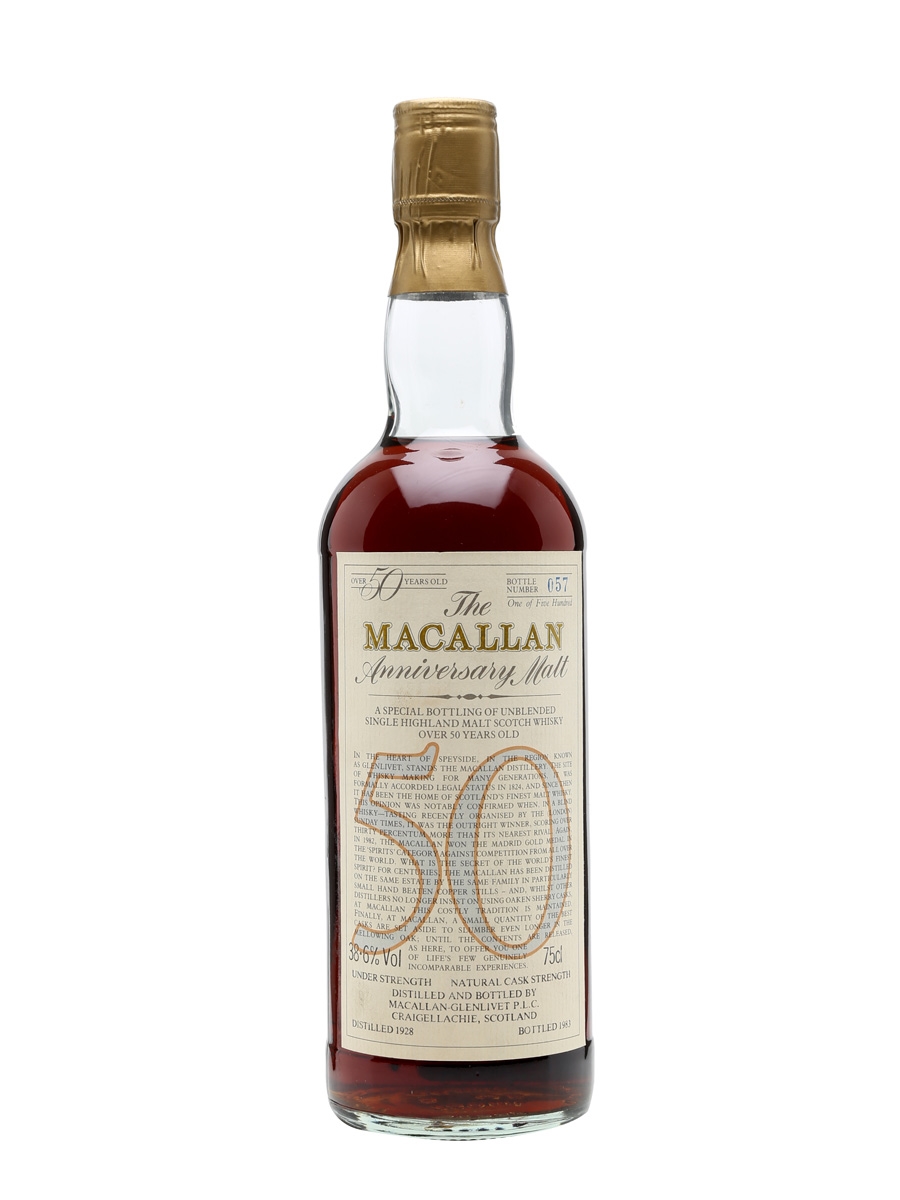
Whether your bottle is a sought-after release from Van Winkle or a vintage Macallan with intact packaging, a professional auction can help you understand current market demand and set the right expectations before selling.
Consider Its Legacy Value
Not every rare bottle is destined to be sold, or even displayed. Some are inherited, gifted, or tied to meaningful events. If a bottle holds personal or family significance, you may want to preserve it for future generations.

In this case, treat it the way you’d handle any other high-value collectible: protect it, document it, and plan. If the bottle has potential monetary value, you may want to have it appraised for insurance or estate planning purposes.
Many collectors now include valuable bottles in their wills, especially if they’re part of a larger portfolio. If you’ve received an inherited bottle and aren’t sure where it stands, it’s wise to consult with a spirits appraiser to understand better inherited whiskey value and what it may mean for you or your family.
Don’t Rush to Open It
Well-meaning friends and even fellow collectors may encourage you to crack it open and celebrate. But not every bottle is meant for pouring, and there’s no shame in letting one sit sealed indefinitely. The value of some bottles increases dramatically over time, especially if stored properly and kept in mint condition.
Unless the bottle holds no sentimental or financial value to you, don’t rush into gifting or sharing it. It’s better to wait and make an informed decision, whether that’s resale, keeping it as a legacy item, or even opening it for a truly momentous occasion down the line.
Donation: A Less Common but Meaningful Option
Another route for rare bottles is donation—especially for charity auctions, whiskey museums, or non-profits that focus on spirits education and preservation. If your bottle has more monetary than emotional value, donating it to a cause you care about can offer both a tax benefit and the satisfaction of sharing it with a larger community.
That said, not all organizations can legally accept alcohol donations. Always check state and local laws and work with auction houses or nonprofits familiar with liquor compliance before moving forward.
When in Doubt, Keep It (For Now)
It’s worth saying: doing nothing is a valid choice. Whiskey collecting isn’t always about action; it can be about patience, sentiment, or future planning.
If you’re unsure what to do, keep the bottle stored well, track any changes in its market value, and revisit the decision in a few months. Sometimes the right moment to sell, gift, or open a rare bottle reveals itself naturally.
Closing Thoughts
Owning a rare bottle of whiskey doesn’t mean you’re obligated to drink it. For many collectors, a sealed bottle represents far more than the spirit inside—it’s a story, an achievement, a memory, or a gift with future significance. Whether you choose to display it proudly, sell it through a trusted platform, or pass it down to the next generation, your whiskey doesn’t lose value by remaining unopened.
Handled properly, it just might become even more meaningful over time.