Whiskey Collecting 101: What New Enthusiasts Should Know
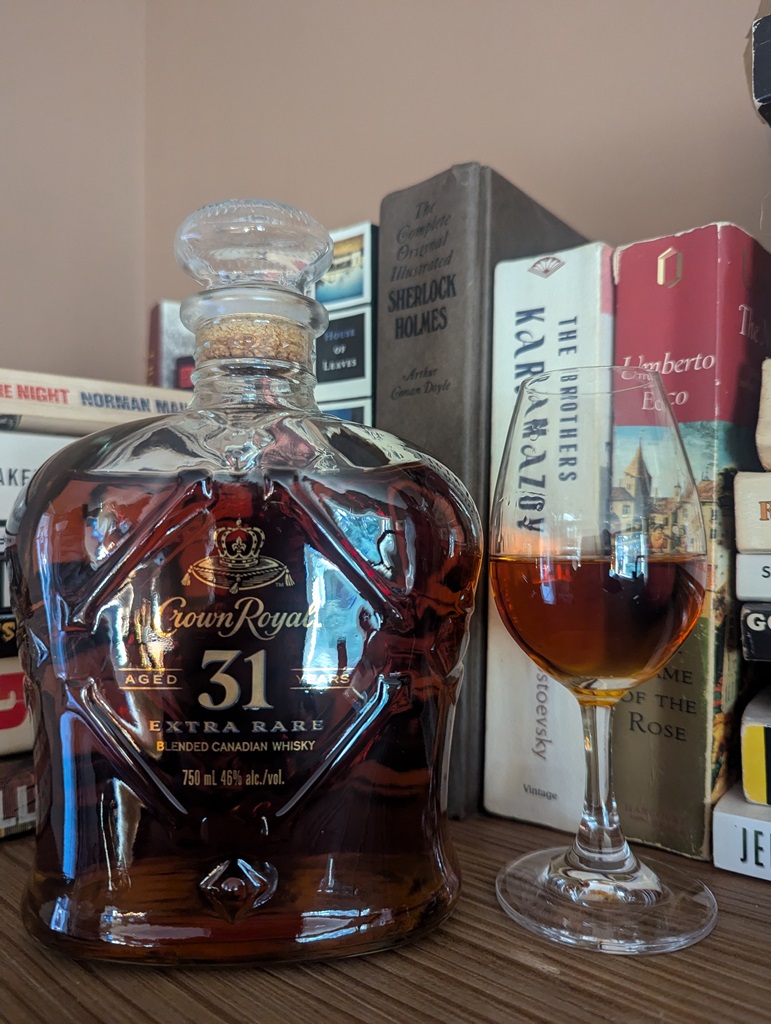
(Credit: Richard Thomas)
Whiskey collecting has grown from a niche hobby into a global passion shared by enthusiasts, investors, and casual drinkers alike. Whether you’re just beginning your journey or looking to deepen your appreciation, understanding the basics can help you build a meaningful and enjoyable collection.
In this guide, we’ll break down what new collectors need to know—from identifying collectible bottles to understanding storage and value. Along the way, we’ll also explore how whiskey culture is making its way into digital entertainment, including platforms like Highroller, one of Canada’s leading sweepstakes-style slot platforms, where whiskey-inspired themes are part of a broader trend in lifestyle gaming.
What Makes a Whiskey Collectible?
Not all whiskey is created for collecting. Certain factors make specific bottles stand out among the crowd:
1. Limited Editions
Bottles released as limited runs often become instant collector favorites. These editions are usually tied to a particular year, cask, or special finish, and their scarcity increases long-term appeal.
2. Age Statement
Older whiskeys generally command more attention. A 21-year-old single malt, for example, will usually be more sought-after than a younger counterpart due to the aging process and depth of flavor.
3. Distillery Reputation
Well-known distilleries with a history of quality tend to produce more collectible items. Brands like Macallan, Glenfiddich, and Buffalo Trace frequently release bottles that become sought-after within days.
4. Packaging and Presentation
Design matters. Ornate bottles, custom labeling, and boxed packaging can make a bottle feel more premium and collectible—even before it’s opened.
How to Start Your Collection Wisely

(Credit: Kurt Maitland)
1. Start with What You Enjoy
While some enter whiskey collecting for investment, it’s best to begin with bottles you personally enjoy. This ensures your collection reflects your taste, even if market trends shift.
2. Set a Budget
Whiskey collecting can become expensive quickly. Set a monthly or yearly budget and stick to it. Don’t feel pressured to buy rare bottles right away—many affordable whiskeys are still worth collecting.
3. Document Your Collection
Use a simple spreadsheet or a whiskey app to track your bottles, tasting notes, purchase prices, and storage locations. This helps you monitor your collection and can be useful if you ever decide to trade or sell.
Understanding Whiskey Terminology
A major part of becoming a collector is learning how to read labels and understand terminology:
- Single Malt: Made from 100% malted barley at a single distillery.
- Blend: A mix of different whiskeys, often from various distilleries.
- Cask Strength: Bottled directly from the cask without dilution, offering a higher proof.
- Finish: The secondary aging process in a different type of barrel (e.g., sherry or port casks).
Knowing these terms helps you evaluate new releases and make informed buying decisions.
Proper Whiskey Storage Tips
Preserving your collection is just as important as building it. Here’s how to keep your bottles in great condition:
- Keep bottles upright: This prevents the cork from degrading in contact with the spirit.
- Avoid sunlight: UV light can affect the flavor and discolor the whiskey.
- Control temperature: Store at a consistent room temperature (ideally around 15–20°C or 59–68°F).
- Seal the bottle: After opening, make sure the bottle is tightly sealed to minimize oxidation.
If stored correctly, sealed bottles can last indefinitely, while opened bottles should be consumed within a few years.
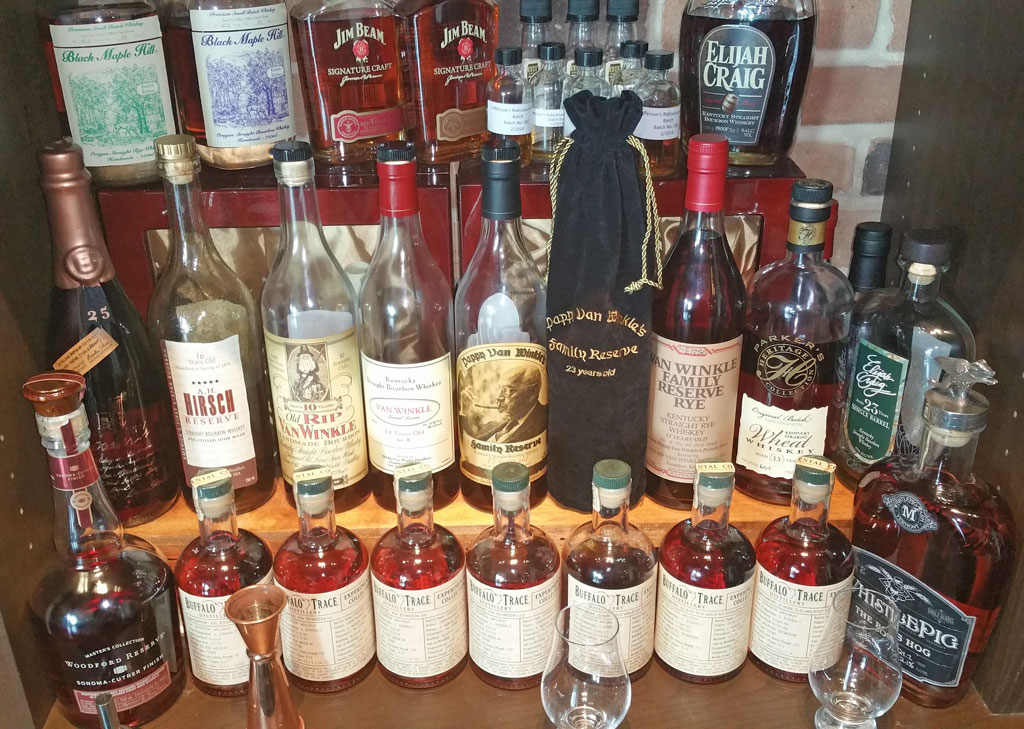
(Credit: Kurt Maitland)
Where to Find Collectible Bottles
Whiskeys worth collecting aren’t always easy to find. Here are a few sourcing tips:
- Specialty liquor stores often receive limited allocations.
- Online retailers may offer access to hard-to-find labels, especially in secondary markets.
- Whiskey auctions are a growing trend for serious collectors looking to buy or sell rare bottles.
- Distillery releases can include special editions sold only at the source—worth checking if you’re traveling.
For more guidance, resources like the Distilled Spirits Council of the United States (DISCUS) offer insights into industry trends and release calendars.
Whiskey Collecting as a Lifestyle
As the culture around whiskey collecting grows, so does its presence in lifestyle and entertainment spaces. From online whiskey clubs to digital tasting events, the hobby has become more social and accessible.
Interestingly, whiskey themes are even popping up in gamified environments. For example, on Highroller, players can explore a range of games inspired by vintage bar culture, complete with immersive design elements that echo the ambiance of a classic speakeasy. While it’s not about collecting bottles, it’s another example of how whiskey appreciation is expanding beyond the glass.
Final Thoughts for New Collectors
Whiskey collecting doesn’t require a massive budget or a deep cellar to start. It begins with curiosity, a willingness to learn, and an appreciation for craftsmanship. Focus on bottles that speak to your personal taste, educate yourself on the fundamentals, and enjoy the process of discovery.
Over time, your collection will grow—not just in size, but in value, both personal and possibly financial. And with whiskey continuing to gain popularity, there’s never been a better time to get started.