
Why Finger Food Catering Matches How People Actually Gather Today
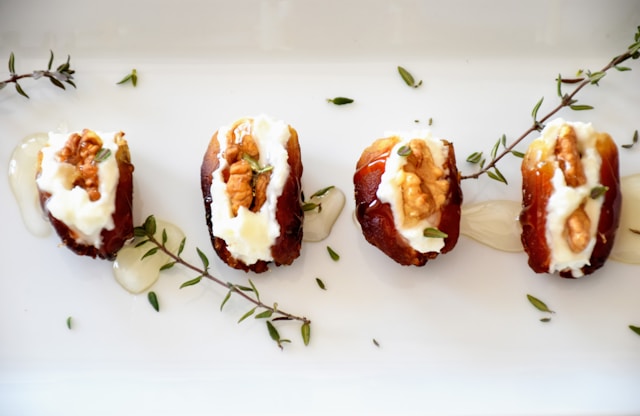
(Photo by Boba Jaglicic on Unsplash)
Most gatherings begin with good intentions. People imagine a relaxed night with drinks, conversation and small bites that somehow appear without effort. Reality looks different. Someone cooks. Someone cleans. Someone arrives early and stands in the kitchen while the host tries to finish appetizers. The rhythm of the night breaks before it even begins. This is why finger food catering has become a practical solution for modern hosts. It fits the way people gather now instead of the way people gathered decades ago.
This article looks at how hosting habits changed over time, why old systems fail, what modern consumers need, how finger food catering works.
How Hosting Shifted From Meals to Movement
There was a time when entertaining meant a full meal. The table served as the center of the night. Guests sat for long stretches. Hosts prepared multi-course menus. The pace was slow and predictable. Social events followed a structure that matched the era.
As homes became smaller and schedules became unpredictable, social habits changed. People moved away from formal dining and toward casual gatherings. Drinks at home replaced long dinners. Music and conversation replaced courses. Guests arrived and left at different times. Hosts stopped expecting everyone to sit down at once.
Food did not adapt as quickly. Many people still tried to prepare full spreads even though the new social environment did not support it. Large meals interrupted flow. They demanded attention and planning that no one had time for. The mismatch between old food habits and modern social habits created predictable frustration.
Finger food became more common because it filled a gap. It allowed people to eat without committing to a full dinner. It encouraged movement. It supported the new pace of gatherings.
Why Old Approaches to Hosting Fail
Traditional hosting methods break down for several reasons. These failures show up at nearly every casual gathering.
People arrive at different times
A sit down dinner works only when everyone arrives at the same moment. Most gatherings do not follow that pattern.
Formal meals slow the night
A large spread freezes the energy in the room. Guests focus on food instead of each other. The social flow loses momentum.
Preparation takes too long
Few people can prepare full meals after long workdays. Even simple menus demand chopping, cooking and timing that most hosts cannot manage.
Cleanup becomes a second job
Large plates, pans and utensils create more mess than the night is worth. The host sinks time into chores instead of enjoying the event.
Dietary differences complicate everything
A single menu cannot make everyone happy. Someone is vegetarian. Someone else avoids dairy. Someone else does not eat fried foods. Finger food solves this by offering a variety of small options.
These failures are not personal. They are the result of using an old system for a new social structure.
What Modern Consumers Actually Need
Modern hosts need a hosting system that matches how gatherings actually unfold.
They need:
Food that supports conversation
Small bites free people from the obligation of a dinner table.
Variety without stress
Guests find what they want without the host making five different meals.
Flexibility
When people come and go, finger food remains the best format because it does not require timing.
Simple cleanup
Small plates and easy disposal keep the kitchen under control.
Predictable cost
Finger food portions help control spending and reduce waste.
Consistent quality
Hosts want food that tastes good without spending hours preparing it.
These needs explain why more households are choosing professional support for casual gatherings.
Why Finger Food Catering Fits This Environment
This is where finger food catering becomes practical. It offers ready to serve appetizers that match the pace of modern gatherings. Guests move freely. The host stays present. Food becomes part of the background instead of the main event.
Step by Step Breakdown of What Works
A finger food catering plan follows a simple sequence. This structure keeps the night smooth and predictable.
Step 1: Count the guests
Get a rough idea of how many people will come. Finger food is flexible, so you do not need an exact number, but a range helps determine how much to order.
Step 2: Choose a mix of flavors and textures
Light options, hearty bites, vegetarian choices and protein based items ensure no guest feels limited. A balanced menu reduces waste.
Step 3: Order items that arrive ready to serve
The goal is to avoid cooking. Choose items that require little to no preparation. This gives the host space to focus on people, not food.
Step 4: Set up a single food station
Place the trays in one central area. It keeps guests from wandering through the kitchen. It also prevents crowding.
Step 5: Keep plates and napkins simple
Use small plates. Offer napkins. Avoid anything that requires silverware. Ease is the point.
Step 6: Pace the food
Do an initial setup, a mid-event refresh and a small late-night update. This keeps the table looking full without overordering.
Step 7: Keep trash and cleanup tools accessible
A small waste bin near the food station keeps the space tidy and avoids buildup.
Step 8: Stay present
Finger food catering removes the need for kitchen work. The host should stay with the group, not in the preparation zone.
This structure keeps the event smooth from start to finish.
When Finger Food Catering Is the Right Choice
Hosts can look for simple clues to know when to switch to finger food catering.
Guests arrive at irregular times
If the timing is unpredictable, small bites are easier than full meals.
You want to keep people moving
Gatherings built around conversation or drinks work better with finger food.
You do not want to spend the night in the kitchen
If staying present matters, cooking becomes a burden.
You have limited space
Small homes or apartments cannot handle stacked pots and pans or multiple cooking stages.
You have mixed dietary needs
Finger food spreads allow greater customization.
Cleanup usually ruins the night
If past events ended with exhaustion, catering removes the issue.
The event centers around drinks
Whiskey tastings, cocktail nights and casual gatherings pair better with small bites than full meals.
These signals do not require debate. They point directly to a better system.
Finger Food Catering Matches Reality, Not Tradition
Most people host gatherings with an outdated mental model. They imagine meals that look complete and organized. They picture dinner parties that run in smooth stages. But modern gatherings do not follow that pattern. People come and go. People stand, move, talk and pour drinks. Homes are smaller. Time is limited. The host no longer has hours to prepare food.
Finger food catering accepts the conditions as they are. It supports the flow of conversation. It removes stress and timing problems. It keeps cleanup short. It provides variety. It stabilizes the night.
This is a practical shift away from old habits that no longer match how people live.