Bankruptcies, Lawsuits And Mergers: Spring Update
By Richard Thomas
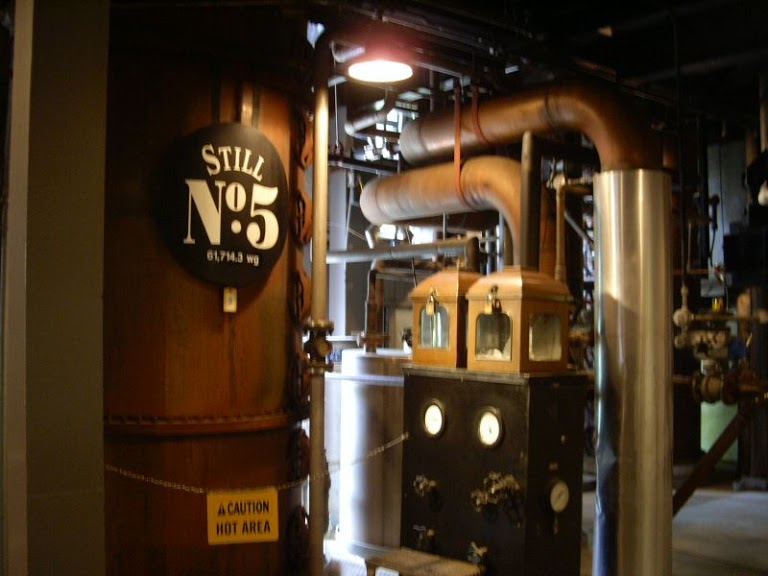
(Credit: Brown-Forman)
The news that prompted this latest round-up of the world whiskey industry’s major legal and business news was the final chapter of the abandoned Pernod Ricard and Brown-Forman merger: the unsolicited, $15 billion bid by Sazerac was formally rejected by Jack Daniel’s owner Brown-Forman last week.
In my opinion, this rejection was inevitable. The two main possibilities for why Sazerac made such its offer are the company was secretly invited to do so by the Browns, as a tactic to exert some leverage on Pernod Ricard, or else it was unsolicited. Since the Brown family own an unassailable share of Brown-Forman, a hostile takeover was impossible, and the Browns would not accept a buy-out unless they intended to exit the whiskey business entirely. The proposed merger does not suggest that. So, whichever speculation one chooses to believe, Brown-Forman was inevitably going to decline the offer after their negotiations with Pernod Ricard concluded unsuccessfully.
In The Midst Of Shut Downs, BBCo Sued For Workplace Issues. Again.
In mid-February, the former human resources executive for Bardstown Bourbon Company (BBCo), Sylvia Sanders, filed a lawsuit against the company alleging gender discrimination and retaliation after she called attention to discriminatory and improper conduct at the company. BBCo denied the allegations, while complaining in court that the entire lawsuit should be sealed, since the news coverage and public scrutiny were bad for their business. BBCo is currently seeking dismissal, while Sanders has been counter-sued for defamation; she is seeking dismissal of the defamation suit.
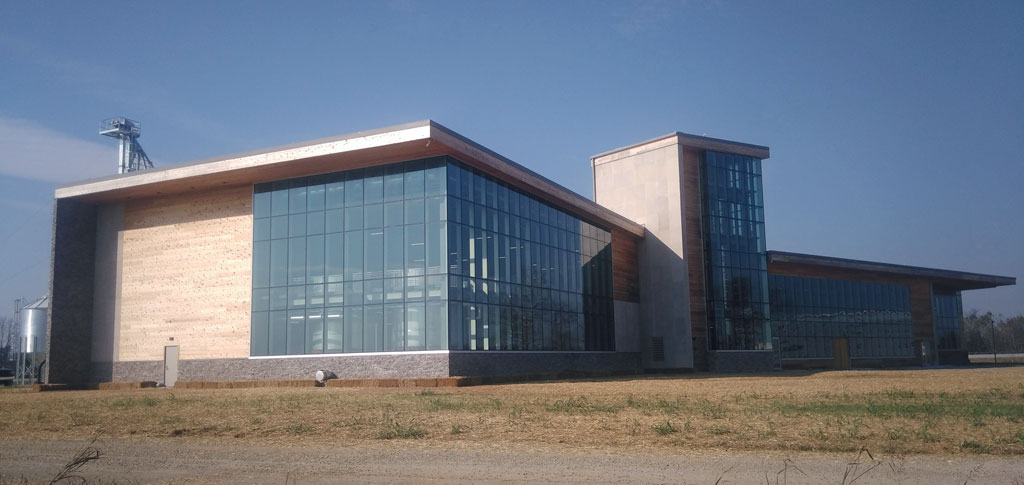
They were certainly right about it being bad for business, since the publicity surrounding a whistleblower lawsuit often encourages more whistleblowing, which has happened here. Sandra Stone, a BBCo bottling plant worker, filed suit against the company on May 6. She alleges age and gender discrimination in being passed over for a promotion, which was given to a younger, less experienced male colleague. After not getting the promotion, she was instead offered demotion and a substantial paycut. Stone was 67 and claims to have been unaware of other discrimination or that the company was violating its own employment guidelines, so she left BBCo. Stone and Sanders are represented by the same lawyer.
BBCo President Peter Marino has announced his resignation and is set to leave the company in June 2026.
All of this comes in the midst of Lofted Spirits, the parent company of BBCo and also named in the lawsuits, ordering production cuts to compensate for the declining bourbon market. In April, they announced BBCo would cut operations down to one shift, while Green River Distilling in Owensboro would drop to a “as needed” operational basis (i.e. not even one full-time shift). There has been no comment or coverage regarding the extent of the inevitable layoffs, but Green River’s Master Distiller, Aaron Harris, was laid off at the end of March.
MGP Shutters Two Kentucky Plants, Orders Lay-Offs
MGP is best known as the Indiana whiskey plant that makes the bulk of the aged stock whiskey available to sourced brands. Yet during the last decade, the company acquired some of their best customers, including Luxco, who in turn owned LuxRow Distillery and Limestone Branch in Kentucky. Also compensating for declining demand, MGP ordered these two distilleries shuttered for a period of at least one year. They were closed on May 1 and 33 layoffs announced.
Uncle Nearest Still In Limbo
In mid-April, Uncle Nearest’s court appointed receiver, Philip Young told the court that the company needed to sell assets to stay afloat, and needed to find a buyer by the end of Q2 2026. Young was appointed in 2025 after Uncle Nearest was sued by its creditors for defaulting on loans. Since then it has been revealed the company has not filed a Federal tax return since 2018, records had been destroyed, and questionable transactions revealed. According to Young, the only reason Uncle Nearest is still operating is because of his cost cutting measures and the creditors lent the company an additional $3.8 million after he took over.
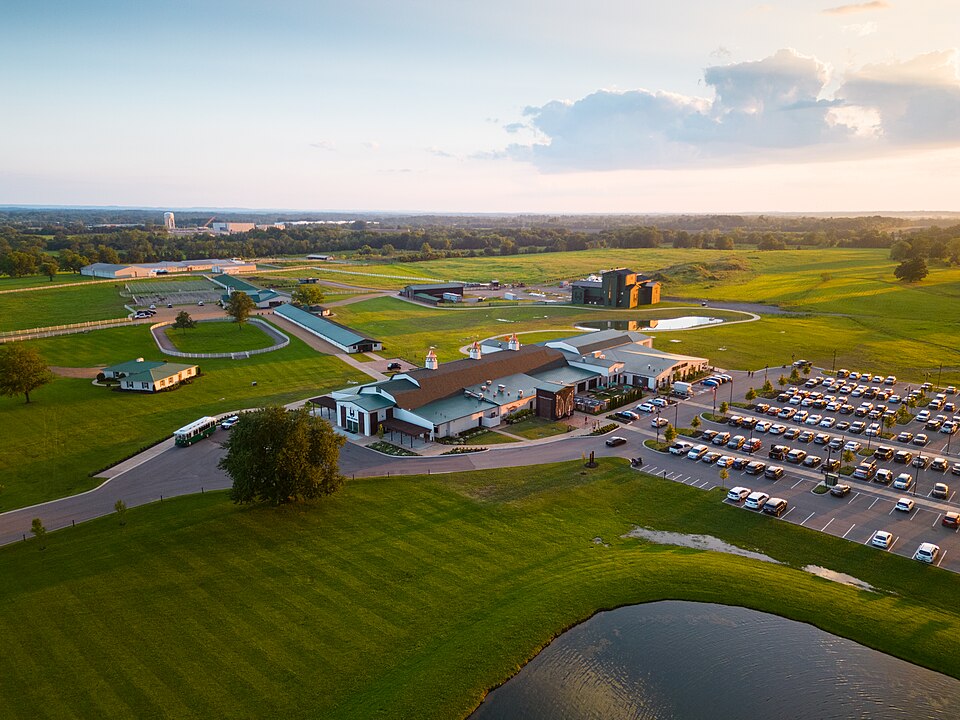
(Credit: 9tynite/Wikimedia Commons/CC by 4.0)
Founder Fawn Weaver’s latest move to take control back was made just over a week ago, when she pressed the Federal courts to rule on her appeal of a Chapter 11 bankruptcy claim that was dismissed in March. The state court ruled that Weaver lacked the authority to move for bankruptcy while the Federally appointed receiver, Young, was still in place. Young opposes the appeal for expedited bankruptcy on grounds that Weaver is rehashing old details, and nothing new is being said that would justify such a move.
Weaver’s lawsuit against her former CFO, Michael Senzaki, alleging break of fiduciary duty, fraud and other claims, has seen no new developments since January 2026. Weaver continues to claim on social media that news coverage of the Uncle Nearest case are “hit pieces” against her, while also making unfounded claims about the status of the case. For example, in a March Instagram reel, Weaver claimed “the receivership has ended,” when it had not and still has not at the time of writing.
Things Keep Getting Worse In Rochester
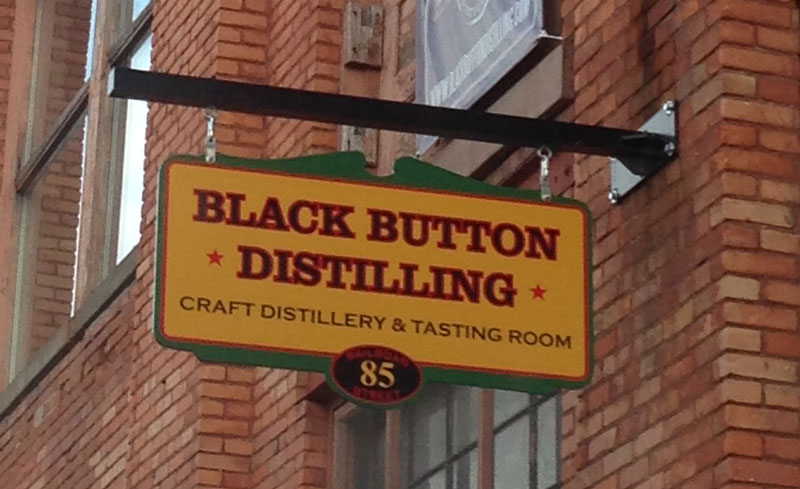
As we reported in January, Rochester, New York’s Black Button Distilling went bankrupt last summer, but was bought out of bankruptcy by the Blackstar Company, owned by former Sazerac Vice President Kris Comstock and the founder of Staghorn Spirits, Ray Franklin. Since Black Button had been making legal moonshine, bourbon and other spirits for more than a decade at that point, the bankruptcy came as a shock and disappointment to most observers and there were high hopes attached to their acquisition by Blackstar. That was short lived: founder Jason Barrett and the entire team were laid off directly thereafter, although Barrett was brought back to assist in the liquidation of the company’s assets.
At the end of March, the situation became even worse: Black Button’s landlord sued the current owners for unpaid rent and damage to the property, seeking $500,000.

Sazerac Moves On Garrard County Distilling
Ray Franklin had previously been involved in Garrard County Distilling, although he had exited that project in 2024 and well before the multi-million dollar, medium-sized and much ballyhooed bourbon-making project went bust in April 2025.
As it turns out, meddling in the Brown-Forman and Pernod Ricard merger is not all the wheeling and dealing Sazerac has been up to lately. In March 2026, Sazerac used a subsidiary, Tom Collins Distilling, to buy Garrard’s $28 million loan from Truist Bank. Although the loan is hardly the only liability for the bankrupt, $250 million distilling company, it did give Sazerac standing to move for foreclosure of Garrard, which they promptly did at the beginning of April.
Foreclosure and sale of Garrard County Distilling seems like a foregone conclusion. Sazerac may or may not turn out to be the winning bidder for the property, but if not, they will be first commercial entity in line to collect the $28 million debt from the proceeds, right after any outstanding taxes and public fees are paid.
Another Kentucky Project Fails
In March, a judge in Scott County (north of Lexington) ordered the liquidation of the property listed for the LF Heritage Distilling Co. project. That property was previously known as Limestone Farms. The company’s contractors have filed liens against it in excess of $1.5 million and perhaps as high as $5 million. It joins Luca Mariano Distillery and Garrard County Distilling as a late Bourbon Boom era project that collapsed as the Boom ended, either before it could open or shortly after opening.

Waterford Distilling Found A Buyer
April 2026 also saw Ireland’s Waterford Distillery, in receivership since November 2024, find a buyer in Tennessee Distilling Group (TDG). The financial terms have not been disclosed, but TDG will acquired all of Waterford’s core assets. Established in 2014, TDG has heretofore operated as a contract distiller to supply other brands, such as Bob Dylan’s celebrity whiskey brand Heaven’s Gate and at least some of the stock that went into Uncle Nearest.
Mississippi Goes Dry By Default, So Merchants Sue
In February, we wrote about the scandal plaguing the Mississippi state Alcohol Beverage Control (ABC), which serves as the liquor distributor in the state. That month saw a widespread failure to deliver orders to retailers, leaving the shelves of liquor stores, bars and restaurants across the state bare. At the time, the ABC predicted it would resolve its logistics issues and catch up on the backlog by March. Instead, some Mississippi retailers banded together on March 25 to sue the state agency for breach of contract.