
Top 5 Cask Finishing Techniques That Change the Flavour Profile of Single Malt Scotch
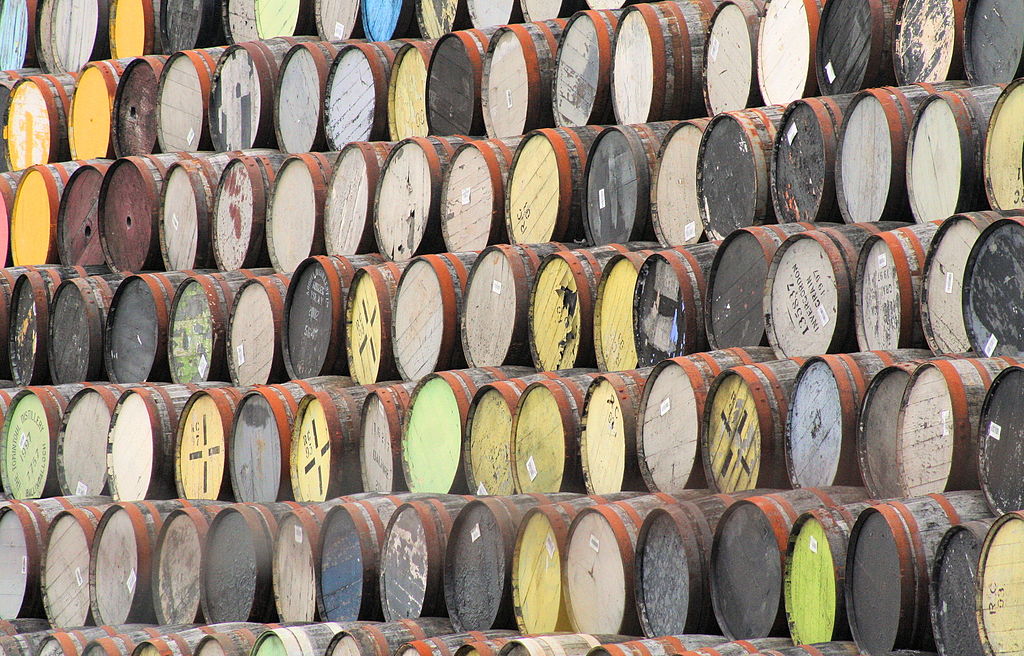
(Credit: Josh Haslam/Wikimedia Commons CC BY 2.0
Single malt Scotch can change dramatically during its final months in oak, even after years of primary maturation have already shaped its core character. Cask finishing moves mature whisky into a different vessel for a shorter period, allowing the wood and its previous contents to add new aromas, flavours, and texture without erasing the distillery style underneath.
The result depends on far more than the name printed on the cask. Oak species, previous liquid, cask size, seasoning history, fill strength, warehouse conditions, and finishing time all affect extraction. A sherry cask can push one spirit toward dried fruit and spice while another becomes richer in chocolate or nuts. Understanding the main finishing styles helps explain why two single malts of similar age can taste so different.
5 Finishes That Reshape a Single Malt
1. Sherry Cask Finishing
Sherry finishing is one of the most familiar approaches in Scotch. Casks seasoned with styles such as Oloroso or Pedro Ximénez can add dried fruit, raisins, figs, walnuts, baking spices, and dark sweetness. Oloroso tends to bring nuttier and drier tones, while Pedro Ximenez often gives a denser impression of syrupy fruit.
However, the finish must stay in balance. A heavily seasoned cask can dominate a light floral spirit, while a robust or smoky malt may absorb the extra richness without losing its identity. The best results create layers rather than simply making the whisky sweeter.
2. Port Cask Finishing
Port casks often introduce red fruit, berry, plum, and wine-like sweetness. Their influence can be especially vivid in whiskies with honey, cereal, or gentle smoke at the base. Ruby-style port casks tend to suggest brighter fruit, while longer-aged port styles can contribute softer dried fruit and nut tones.
Colour can deepen quickly, but darker whisky is not automatic proof of stronger flavour. The useful question is how well the finish integrates with the original malt. A successful port finish adds lift and fruit without leaving the spirit tasting separate from the cask influence.
3. Red Wine Cask Finishing
Red wine casks can add berry notes, tannin, spice, and a drying texture. Finishes using casks that previously held Cabernet Sauvignon, Syrah, or other structured wines are often chosen when a producer wants more grip and darker fruit.
This technique requires careful timing because tannin can build up fast. Too much extraction may make the whisky bitter or woody. That need to compare several factors before making a choice has a parallel elsewhere online, where someone researching where to play real money online casino in Ontario may rely on review sites to compare licensing, payment options, and game selection rather than judging a platform by one attractive feature alone.
4. Rum Cask Finishing
Rum casks can bring brown sugar, tropical fruit, molasses, banana, or warm spice. They often suit fruity or vanilla-led malts because the finish extends flavours already present. An active cask may leave a strong tropical mark, while a tired one adds only a light accent.
5. Madeira Cask Finishing
Madeira casks can contribute orange peel, dried fruit, caramel, nuts, and bright acidity. Their influence often feels different from sherry and conventional wine finishes, adding a sharper fruit edge beside richer notes. The best result adds contrast while keeping the distillery character recognisable.
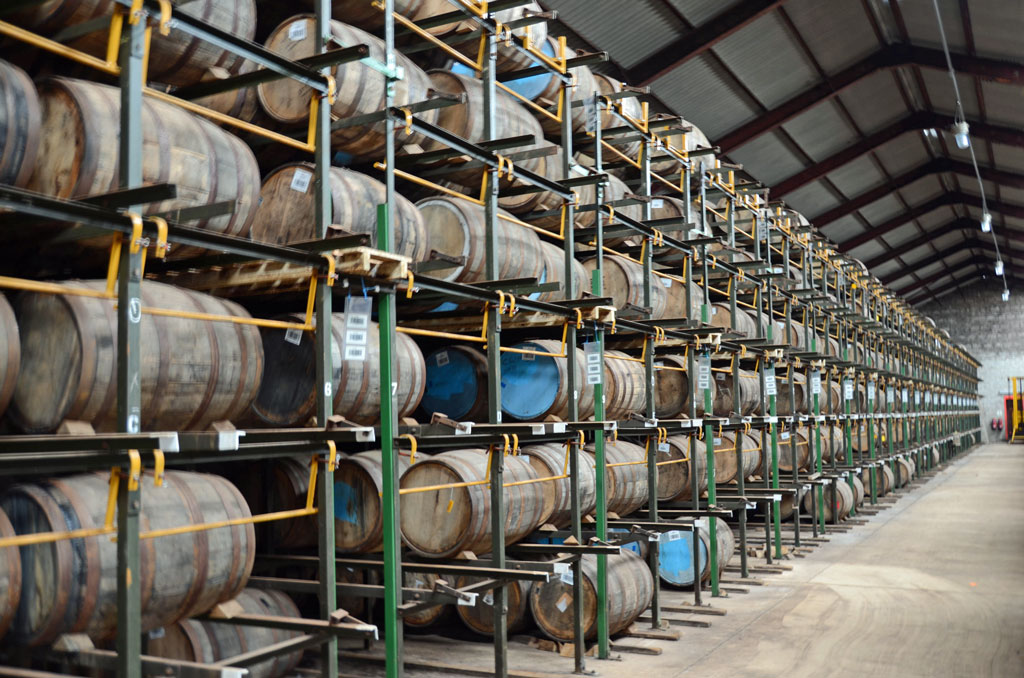
(Credit: Richard Thomas)
Why the Same Finish Can Taste Different
Finishing is an extension of maturation rather than a fixed recipe. The Scotch Whisky Association explains that Scotch can be matured or finished in new oak or qualifying oak casks previously used for wine, beer, ale, or spirits. Within those rules, producers still manage many variables.
A first-fill cask can be more active than one used several times. Cask size changes the ratio of spirit to wood, while warehouse conditions influence interaction with oak. Peaty and fruity malts can also respond differently to the same cask.
Finishing time is therefore a matter of judgment. One whisky may gain enough secondary character in months, while another needs longer. The useful point lies between too little influence and too much wood.
How to Read a Cask Finish on the Label
A finish suggests where part of the flavour may come from, not exactly what you will taste. Sherry, port, rum, wine, and Madeira casks point in a direction, but none guarantees a fixed set of notes. Earlier maturation and distillery character still matter.
It also helps to separate finishing from full-term maturation. A late transfer often adds a distinct secondary layer, while longer maturation in one cask type can create deeper integration.
Ultimately, cask finishing works best when it adds contrast without hiding the spirit. The most interesting single malts let both whisky and cask remain clear. That balance turns extra maturation into meaningful flavour.