Armenian Brandy for Whiskey Drinkers: Where to Start
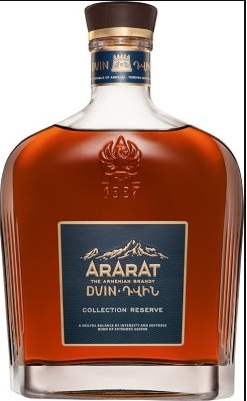
(Credit: Ararart)
If you drink bourbon or single malt, Armenian brandy will feel more familiar than you might think. It is distilled from grapes, then left in oak for a long time, and people judge it by its age the way you would weigh a 12-year-old Scotch against an 18. If you’ve walked past a bottle on a Glendale shelf, or been poured a glass at an Armenian friend’s table, here is how to make sense of it.
What’s in the bottle
Armenian brandy is made from white grapes grown in Armenia, many of them in the Ararat valley just south of Yerevan. The grapes are local Armenian varieties such as Voskehat, Garan Dmak, Mskhali and Kangun. The wine is distilled into a clear spirit and put into barrels of Caucasian oak, and that is where it gets its color and most of its flavor.
Armenians call it “konyak.” The export label says Armenian brandy, since the word cognac is reserved for one region of France.
Commercial production in Yerevan goes back to 1887. Within a few decades Armenian brandy was sold all over the Russian Empire, and for most of the twentieth century it was the bottle people in that part of the world opened at weddings and birthdays.
How it compares with whiskey
By law, bourbon goes into new charred oak, so it picks up caramel and vanilla quickly. Armenian brandy usually stays in the barrel much longer and starts from fruit instead of grain. At the same 40% ABV it drinks softer. A good 20-year-old still tastes like grapes and dried fruit, with the oak sitting behind them.
Older bottles tend toward dried apricot, raisin, walnut, vanilla and dark chocolate. The young stuff, three to five years old, is brighter and simpler and better in a cocktail. If sherried Speyside malts are your thing, an aged Armenian brandy is a short step away.
Reading the label
Most Armenian bottles give the age in years. Some use VS, VSOP and XO instead, and older labels use stars: three stars meant three years in oak. If you see a number of years, go by that. It means roughly what an age statement on a whisky means.
How to drink it
Use the glass you already have. A Glencairn is fine, so is a small tulip. Pour about an ounce at room temperature and leave it for three or four minutes before you nose it.
A few drops of water will open up an older brandy much like they open a cask-strength whisky, although at 40% you may not need them. I’d keep ice away from a 20-year-old and save it for the young bottles. In Armenia aged brandy usually comes out with dark chocolate, walnuts or dried apricots on the table, and it’s a good match.
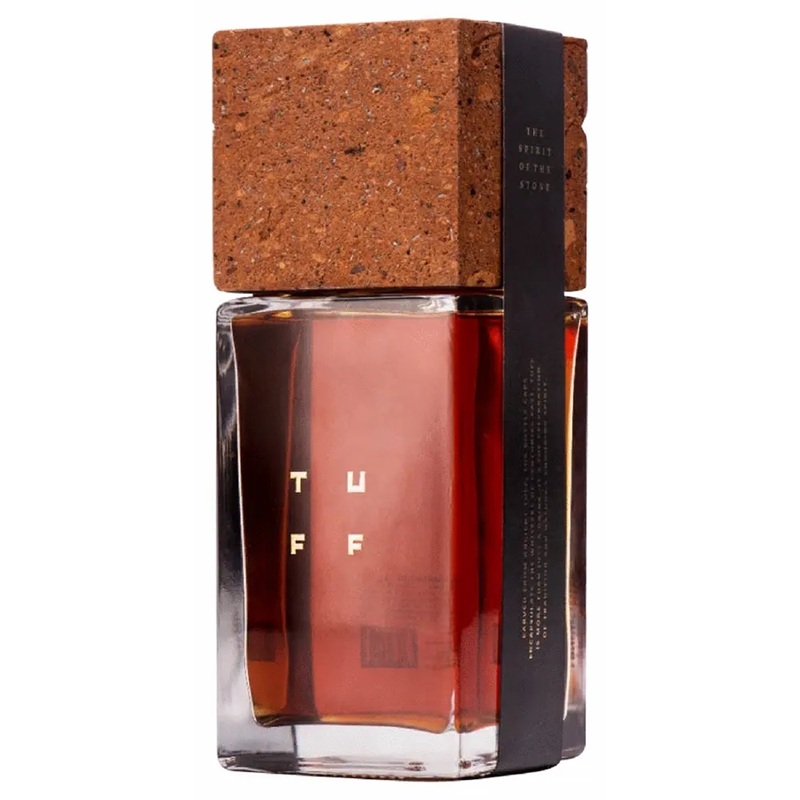
(Credit: TUFF Brandy)
One bottle to try
Ararat and Noy are the Armenian names you’ll see most often in American stores. If you want to taste what two decades in Caucasian oak does, try TUFF XO, a 20-year-old Armenian brandy from Yerevan. It’s made from Mskhali and Kangun grapes from the 2004 Ararat valley harvest, at the Proshyan Brandy Factory. There is also a 30-year-old, TUFF Heritage, from the 1994 harvest.
You’ll notice the cap before anything else. Each one is cut by hand from Armenian tuff, the volcanic stone a lot of Yerevan is built from, so no two look the same. It lifts right off, and plenty of people keep it on the desk as a pen holder after the bottle is finished.
A tip for US buyers: some shops list TUFF XO as “XO Ani Edition.” It’s the same 20-year-old brandy. Around Los Angeles you can find it at ShopSK, Super King Markets, Total Wine in Glendale and Remedy Liquor, and Mission Liquor ships it within the US.
If you’re new to the category, start with an older bottle neat, so you know what the oak does, and keep the younger ones for mixing.
Please enjoy responsibly. For adults of legal drinking age only.