
Building a Home Bar: The Wine, Whisky and Spirits Worth Stocking
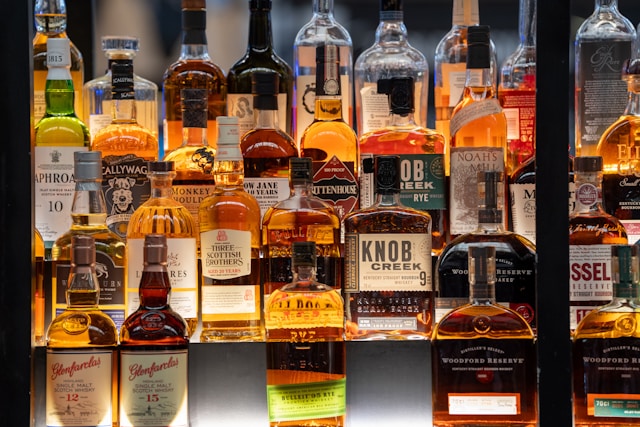
A good home bar isn’t a wall of bottles. It’s a short shelf of things you actually reach for, plus a few bottles that make guests feel looked after. Most people start the other way around. They buy whatever was on sale or whatever a friend swore by, and five years later they have half a bottle of blue curaçao and nothing to pour with dinner.
This guide is about building it the slow, sensible way. Start with a core, add depth where your taste leads, and keep the wine side as thought out as the whisky side.
Start With How You Actually Drink
Before buying anything, be honest about three things:
- What you pour on a normal Tuesday. If it’s a neat dram after dinner, your whisky shelf matters most. If it’s a glass of red with pasta, put your money there.
- How you host. Big parties call for a couple of versatile spirits and wines that please a crowd. Small dinners give you room for more interesting bottles.
- How much space you have. A cupboard holds about a dozen bottles comfortably. Wine needs somewhere cool and dark, away from the stove.
Write a short list based on those answers. It keeps you from buying bottles you’ll never open.
The Whisky Core: Five Bottles That Cover a Lot of Ground
You don’t need twenty whiskies to have a good range. Five well chosen bottles will cover most moods and most guests.
- A reliable bourbon. Something you’re happy to sip neat but won’t feel bad mixing into an Old Fashioned.
- A rye. Spicier and drier than bourbon, and the backbone of a Manhattan.
- A gentle Speyside or Highland single malt. Fruity, approachable, a good first pour for friends who say they “don’t like Scotch.”
- A peated Islay malt. Not everyone will love it, but the people who do will remember it.
- One wildcard. Japanese, Irish, Canadian or a craft bottle from a smaller distillery. This is where your shelf starts to show some personality.
A practical way to build this out is to buy from a shop where staff will talk you through a few options before you commit. Independent stores tend to be good for this. Calgary’s Cork Fine Wines, for example, carries a curated range of small production wines next to Scotch, bourbon and Japanese whisky, and runs regular in-store tastings. Tasting before buying is one of the easiest ways to avoid an expensive mistake.
Don’t Treat Wine as an Afterthought
Plenty of whisky fans have an excellent spirits shelf and then grab a random bottle of wine on the way to a dinner party. A small, deliberate wine selection makes the whole bar more useful.
Here’s a simple starting set:
| Style | Why it earns a spot | Good with |
| Dry sparkling | Celebrations, aperitifs, fried snacks | Almost anything salty |
| Crisp white (Sauvignon Blanc, dry Riesling) | Light, food friendly, easy to like | Fish, salads, spicy dishes |
| Medium red (Pinot Noir, Gamay) | Flexible enough for most dinners | Roast chicken, mushrooms, salmon |
| Fuller red (Syrah, Cabernet blend) | Steak nights and cold evenings | Grilled meat, hard cheese |
| Something sweet (Port, late harvest) | Ends a meal, pairs with dessert | Blue cheese, chocolate |
Store bottles on their side if they have a cork, keep them away from light and heat, and don’t keep everyday wine for years. Most bottles under a modest price are made to drink fairly young.
The Mixing Shelf
Even if you mostly drink whisky neat, a few other spirits let you make classic cocktails for guests.
- Gin for martinis, gin and tonics and Negronis.
- A light rum for daiquiris, plus a darker one if you like richer drinks.
- Blanco tequila for margaritas and palomas.
- A sweet vermouth and a dry vermouth. Refrigerate them once opened, since they’re wine based and fade within weeks.
- Bitters. Angostura and an orange bitters cover a surprising number of recipes.
Add fresh citrus, simple syrup, good ice and a bottle or two of soda water and you can make most of the drinks people ask for.
Glassware and Tools Matter More Than You’d Think
A great dram in a thick tumbler loses a lot of its aroma. You don’t need a cabinet full of crystal, but a few basics help:
- Tulip-shaped tasting glasses for whisky. They focus the nose.
- All-purpose wine glasses. One good shape works for both red and white.
- Rocks glasses for cocktails and whisky with ice.
- A jigger, a mixing glass, a bar spoon and a strainer.
- A small dropper for adding a little water to cask strength whisky.
For deeper reading on how Scotch is made, how regions differ and how to enjoy it, the Scotch Whisky Association has useful background that helps make sense of labels before you buy.
Growing the Collection Without Overdoing It
Once your core is in place, grow slowly. Some habits that keep a home bar enjoyable:
- Replace, don’t just add. When a bottle runs out, ask whether you want the same one or something new in that slot.
- Keep notes. A few lines on what you liked and why will make your next purchase much easier.
- Open things. A bottle saved for a special occasion that never comes isn’t doing anyone any good.
- Share pours. Tasting with friends teaches you more about your own palate than any review.
A home bar is about flavour and hospitality, not volume. Pour modest measures, offer plenty of water and good non-alcoholic options, and make sure nobody who has been drinking gets behind the wheel.
Build it around what you enjoy, keep it tidy and keep it moving. A dozen bottles you love will always beat a hundred you forgot you owned.