Four Roses Has Created First New Mash Bills In Eighty Years
By Richard Thomas
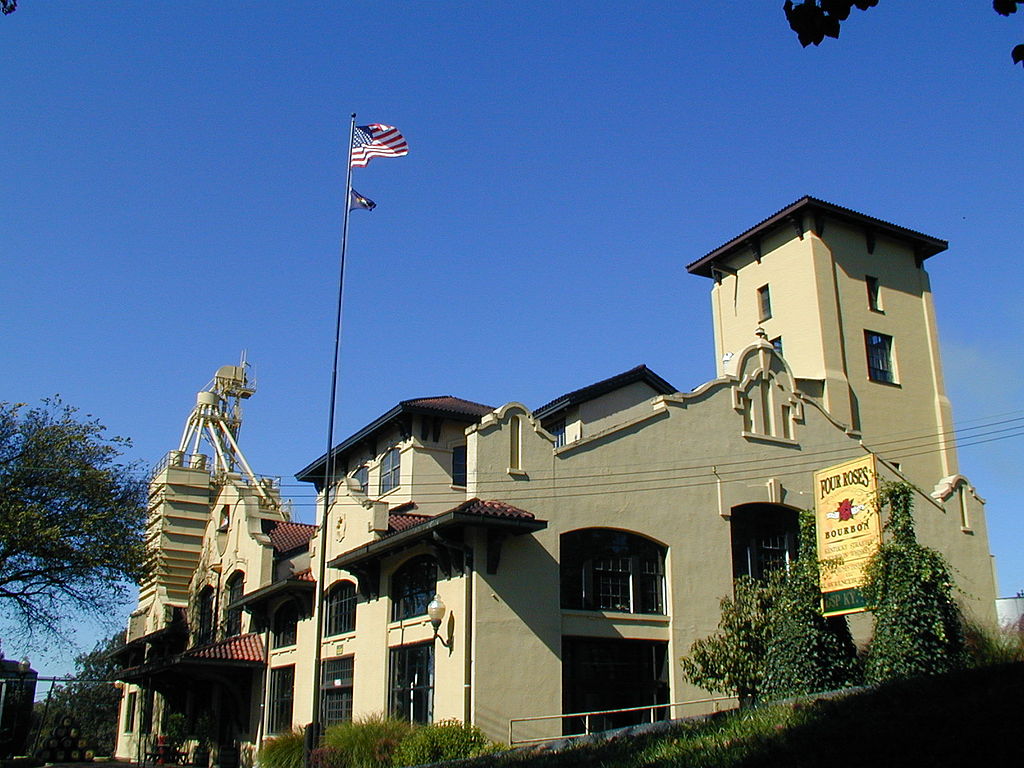
During a Zoom tasting of the Four Roses Small Batch Limited Edition 2025, Master Distiller Brent Elliott revealed that not only did his distillery have a new mash bill, but they had two and had already put barrels of the new whiskey onto their ricks.
Until very recently, Elliott and his predecessors have overseen the production of ten distinct bourbons, the result of having two mash bills (one high rye, one traditional rye) and five house yeasts. That is highly unusual for any distillery, because while many in Kentucky and Canada have several mash bills in standard production, they typically have just one house yeast. That practice dates back to sometime after the distillery (then called the Old Prentiss Distillery) and the Four Roses brand were acquired by the growing Canadian drink goliath Seagram in 1943. The production style of having a slate of many whiskeys to work with, like a painter’s palette, is very Canadian. Some references say the ten recipe system at the Old Prentiss Distillery came into being in 1945, but there is good reason to doubt that because whiskey production in the US was banned under wartime regulations until 1946. Yet it is clear the system came into being some time after the end of the Second World War.
The exact provenance of the ten distillates made at Four Roses is also not certain, because it is possible that between inception and the mid-1960s one of the mash bills was adjusted or a yeast replaced. We can be more sure that the ten distillate system as it exists today was firmly established by 1966, because that is when former Master Distiller Jim Rutledge was hired on. As the most veteran of the Seagram era Four Roses employees who helped the transition to Kirin ownership and the revival of the brand in the mid-2000s, Rutledge would certainly have commented upon any major change in their production process during his tenure, but he never has.
So, the current format of production at Four Roses has been in place for at least sixty years, and very probably eighty years. As an interesting side note, the ten recipe system used to make Four Roses all this time was not in place during the 1930s and 1940s.
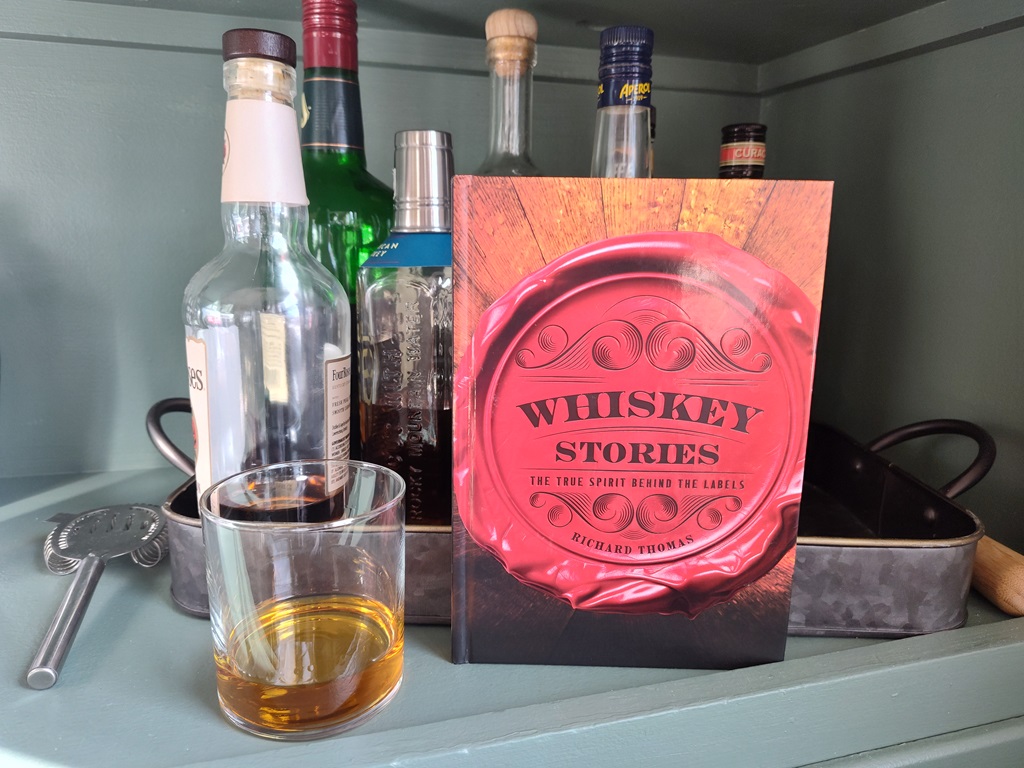
When I researched my book Whiskey Stories in 2023, one of the questions I put to Elliott was if Four Roses had any interest in developing new mash bills or yeasts, and if so what the background was on why they had not already done that. Elliott told me that they had been struggling to keep up with demand for years. Four Roses concluded their production contract for Bulleit in 2013 because they needed their high rye bourbon output at home, for example. It was only recently with production expansions that they were able to consider introducing new formulas — but they were considering it. When my book was published earlier this year, it was the first indication that Four Roses was giving attention to the matter to appear in print.

Brent Elliott
(Credit: Four Roses)
At a Zoom meeting yesterday, Elliott confirmed that those new distillates had been made, barreled and were aging in the brand’s signature one-floor “low houses.” Four Roses has not added a new yeast strain to the existing five; instead, they have formulated two new mash bills. Although the exact formulas were not described, one was described as “a higher rye and lower rye.” This mirrors the distillery’s existing arrangement, since they already have a high rye (35% rye) and traditional (20% rye), with the new whiskeys having a rye content above 35% (i.e. spicier) and below 20% (sweeter). So, they took a safe course and introduced two new derivatives of what their tried and true system, and did not go into uncharted territory by introducing a wheated bourbon or rye whiskey.
All five yeast strains were applied, so the number of individual colors on the Four Roses palette has grown from ten to twenty. Elliott said that the new distillates were barreled last year, and are expected to be ready by 2031.