The Evolving World of Whiskey: Trends, Culture, and Innovation
Whiskey has long been more than just a beverage—it is a symbol of craftsmanship, heritage, and evolving taste. From its early origins rooted in traditional distillation methods to its modern reinvention as a global lifestyle product, whiskey has continued to adapt to cultural shifts and evolving consumer expectations. Today’s whiskey market reflects a balance between honoring time-tested practices and embracing innovation.
Consumers are no longer satisfied with just flavor; they seek authenticity, transparency, and stories behind the brands they choose. This growing curiosity has fueled experimentation in aging techniques, ingredient sourcing, and sustainable production. At the same time, whiskey culture has expanded beyond bars and tasting rooms into digital communities, lifestyle branding, and cross-industry collaborations. As preferences evolve and new generations enter the market, whiskey stands at the crossroads of tradition and transformation, redefining what it means to enjoy a classic spirit in a modern world.
The Rise of Craft Whiskey
(Credit: Photo by Wendy Wei)
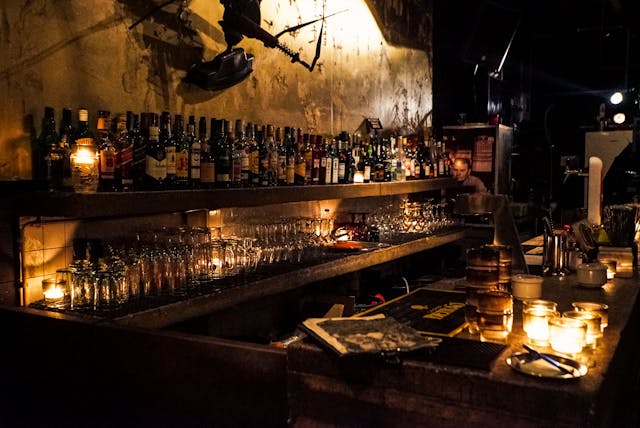
One of the most significant trends shaping the whiskey industry is the rise of craft producers. Small-batch distilleries have gained popularity by prioritizing quality over quantity and emphasizing unique flavor profiles. These producers often experiment with locally sourced grains, alternative yeasts, and innovative aging processes, resulting in distinctive expressions that appeal to curious consumers.
Craft whiskey brands thrive on storytelling, sharing their origins, methods, and philosophy to build deeper connections with their audience. This movement has prompted large-scale producers to reassess their strategies, resulting in increased competition and a general improvement in quality across the industry. As consumers seek more personalized and authentic experiences, craft whiskey continues to play a vital role in redefining the market.
Innovation in Production and Aging
Innovation has become a driving force behind modern whiskey production. Distillers are exploring new technologies to refine fermentation, enhance consistency, and reduce environmental impact. Experimental aging techniques, such as using non-traditional barrels or varying climate conditions, have introduced bold and unexpected flavors.
Some producers are shortening aging times through scientific advancements, while others double down on extended maturation for richer complexity. These innovations allow brands to stand out in a crowded market and cater to evolving palates. By blending science with tradition, whiskey makers are expanding the boundaries of what the spirit can be, proving that innovation does not have to come at the expense of authenticity.
Whiskey Culture and Changing Consumer Preferences
Whiskey culture has evolved alongside changing lifestyles and social habits. Once associated primarily with formal settings or seasoned drinkers, whiskey is now embraced by a broader and more diverse audience. Tasting events, social media content, and educational platforms have made the spirit more accessible and less intimidating.
Consumers today are more informed and intentional, often valuing ethical sourcing, sustainability, and brand transparency. This cultural shift has influenced how whiskey is marketed, consumed, and discussed. Brands are increasingly focused on building communities rather than simply selling products, fostering loyalty through shared values and experiences rather than tradition alone.
Cross-Industry Influence: Kratom and Emerging Markets
The beverage industry is increasingly influenced by adjacent wellness and alternative product markets, with kratom emerging as a notable point of interest. Kratom, a botanical derived from the leaves of the Mitragyna speciosa tree, has gained attention for its traditional use and growing presence in modern wellness discussions.
As consumer curiosity expands beyond conventional beverages, many individuals who appreciate the craftsmanship and experience of whiskey are also exploring products offered by a kratom shop, particularly those that emphasize responsible sourcing, quality control, and transparency. Kratom shops often focus on educating consumers about origins, strains, and ethical procurement, values that closely mirror the principles upheld by premium beverage brands. This shared focus on authenticity and informed consumption creates a natural overlap between the two markets.
While whiskey and kratom differ significantly in purpose, use, and regulation, both appeal to consumers seeking experiential products that align with personal lifestyle choices. This convergence highlights a broader shift toward mindful exploration, where quality, trust, and brand integrity play a central role in purchasing decisions across industries.
Sustainability and the Future of Whiskey
Sustainability has become a critical focus for the future of whiskey. From water conservation and renewable energy use to eco-friendly packaging, producers are taking responsibility for their environmental footprint. Consumers increasingly support brands that demonstrate accountability and long-term vision. Sustainable practices not only benefit the planet but also strengthen brand credibility and resilience. As regulations evolve and resources become more limited, sustainability will no longer be optional—it will be essential. Forward-thinking whiskey brands are investing now to ensure they remain competitive and relevant in the years to come.
Conclusion: A Spirit Shaped by Change
The evolving world of whiskey reflects a dynamic blend of tradition, innovation, and cultural transformation. As consumer expectations shift toward authenticity, sustainability, and meaningful experiences, the industry continues to adapt without losing its roots. Craft distilleries, technological advancements, and cross-industry influences have expanded the definition of what whiskey represents in modern society. At the same time, a renewed focus on transparency and environmental responsibility signals a more thoughtful future for the spirit. Whiskey’s ability to honor its heritage while embracing change ensures its enduring appeal across generations. As trends continue to evolve, whiskey remains not just a drink, but a reflection of craftsmanship, creativity, and the ever-changing tastes of the world that enjoys it.