Can Whiskey on a First Date Actually Help Communication, or Is That a Myth?
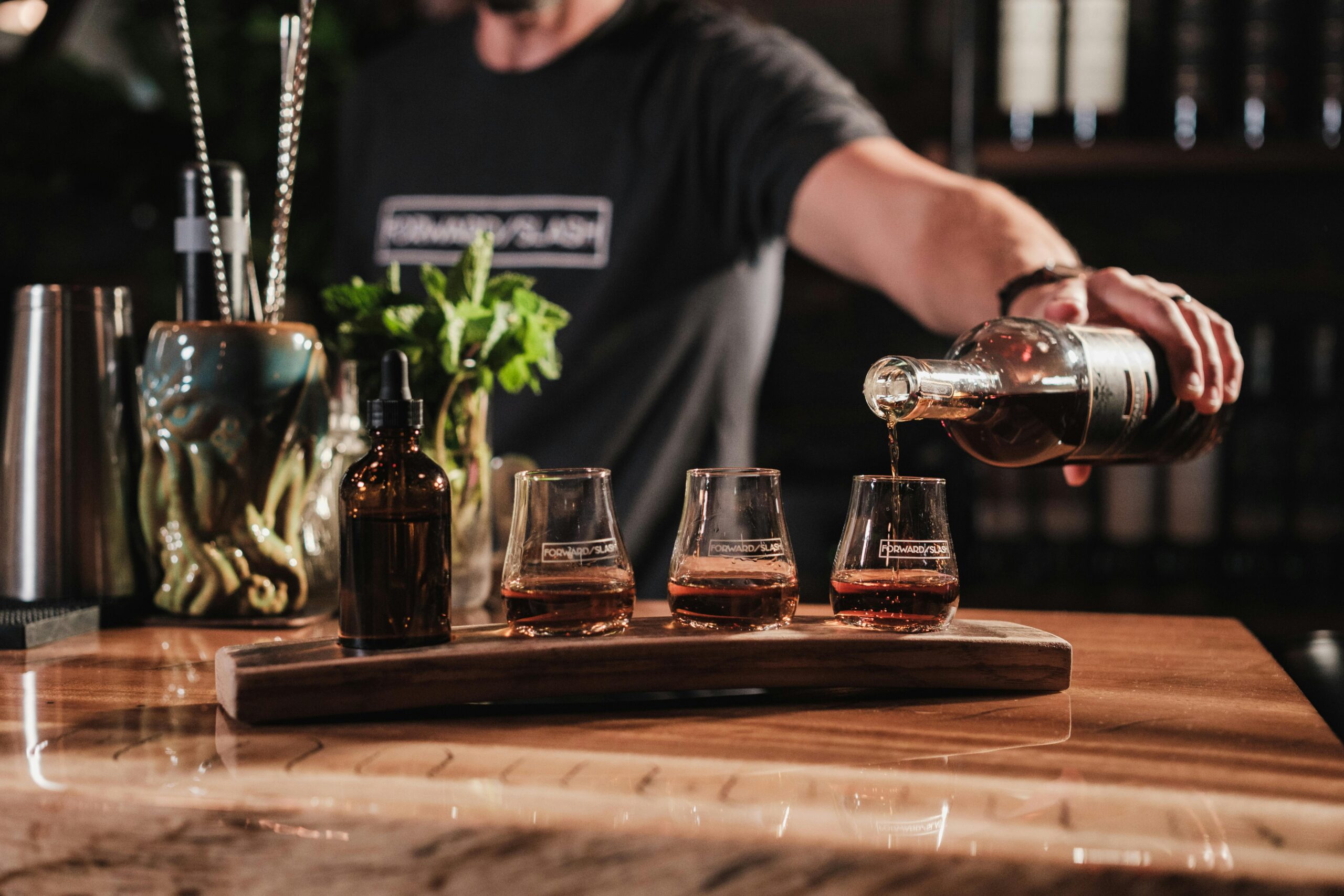
There is a reason this question keeps coming back: a small glass of whiskey on a first date can change the mood. But whether it truly helps communication or just creates the illusion of it is a more interesting story.
The honest answer is somewhere in the middle.
A little whiskey can help some people relax. It can soften the stiffness of a first meeting, especially when both people are nervous and trying a bit too hard to make a good impression. That first-date tension is real. Even confident people feel it. You sit down, smile, order something, and suddenly become strangely aware of your hands, your voice, the silence between questions, the way you are sitting. A drink can sometimes take the edge off that self-consciousness.
But whiskey itself is not magic. It does not create chemistry where there is none. It does not turn a boring conversation into a great one. And it definitely does not guarantee emotional honesty. If anything, it just lowers the volume on anxiety for a moment. What happens after that still depends on the people.
That is why the idea that whiskey is some secret communication tool is mostly a myth — but not a completely empty one.
Think about how first dates usually begin. Two people meet as slightly edited versions of themselves. They are not fake exactly, just careful. A little more polished, a little more guarded, a little more aware of every word. That is normal. Most people do not arrive at a first date fully relaxed and ready to be spontaneous. So if one small pour of whiskey helps them stop overthinking every sentence, the conversation may flow more naturally.
I once heard a story from a woman who said her best first date started terribly. She arrived late because of traffic, he had already been sitting there awkwardly for fifteen minutes, and the first ten minutes of conversation felt painfully formal. Both of them were polite. Both of them were nervous. Then they each ordered a small whiskey. Not shots, not anything dramatic, just one drink. Suddenly the whole tone shifted. They stopped interviewing each other and started talking like actual people. He told a funny story about ruining a holiday dinner by trying to “improve” a family recipe. She admitted she had checked the restaurant menu in advance because she panics when waiters stand nearby. They laughed. The date became easy. They ended up staying for three hours.
Was that because of whiskey? Partly. But more likely, the whiskey just gave them permission to loosen up enough to become themselves.
That is the real point. Alcohol sometimes helps communication indirectly by reducing tension, not by making people wiser, deeper, or more compatible.
There is also something specific about whiskey as a drink. It is slower than many other choices. People do not usually gulp whiskey the way they might rush through a cocktail or a glass of wine. It invites pauses. Sipping. A certain pace. In that sense, whiskey can actually suit a date where the goal is conversation. It brings a slightly more deliberate atmosphere. There is a ritual to it, even if it is subtle.
And historically, whiskey has always had a social side. In many cultures, sharing whiskey was less about getting drunk and more about marking a moment — celebration, honesty, storytelling, warmth. It often lived in the background of long conversations rather than loud chaos. That association still exists. Ordering whiskey on a date can create a mood that feels a little more grounded, a little less performative, especially if both people genuinely enjoy it.
Still, there is a line between relaxed and overly loose, and that line matters.
One whiskey can make someone warmer. Three can make them less present. Communication only improves if both people stay emotionally and mentally available. The second the drink becomes the main event, the date usually gets worse, not better. People repeat themselves. They misread signals. They become too intense or too vague. The version of “honesty” alcohol sometimes creates is not always the useful kind.
So if we are being real about it, whiskey can help the first twenty percent of communication: the part where two people need to settle down enough to stop performing. But the next eighty percent — actual curiosity, listening, humor, emotional intelligence, timing — that has nothing to do with the glass in front of you.
A good example is the kind of couple who laugh easily within minutes whether they are drinking tea, whiskey, or sparkling water. Their chemistry is already there. The drink is just scenery.
On the other hand, there are dates where one person thinks the whiskey made the conversation amazing, and the next day they realize they do not actually remember much beyond the general feeling. That happens too. People confuse atmosphere with connection all the time.
Maybe the better question is not “Does whiskey help communication?” but “What kind of communication are people hoping for on a first date?”
If the goal is to feel a little calmer, yes, a small whiskey might help. If the goal is deep compatibility, trust, and real interest, the drink is secondary. What matters more is the setting, the pace, and whether two people can actually meet each other honestly.
And honestly, that begins before the date ever starts.
A lot of awkward first dates are awkward because the connection was rushed from the beginning. Two strangers meet too fast, with no real sense of each other, and then hope the atmosphere will save them. Sometimes it does. Often it does not. That is why more people now prefer meeting through a safe dating website first, where there is time to talk a little before sitting across from each other in real life.
That part matters more than people admit.
When two people already have a rhythm in messages, even a simple one, the first date feels easier. There is less pressure to invent everything from zero. They already know a few basics. Maybe they have joked about their terrible music taste, or exchanged travel stories, or figured out that both of them hate loud bars. The meeting starts with some emotional ground under it.
That is one reason platforms like Dating.com make sense for modern dating. A safe dating website gives people a chance to build comfort before the first in-person conversation begins. And comfort changes everything. It makes the date feel less like an interview and more like a continuation. In that setting, whether you order whiskey or not becomes a detail, not a strategy.
Imagine two different scenarios. In the first, a man meets a woman through a random offline setup, and they sit together with almost no context. He orders whiskey because he is nervous. She orders wine because she always does. The conversation is fine, but cautious. In the second scenario, two people connect on Dating.com, exchange messages for a few days, discover that both love old films and late-night walks, then meet in person. On the date, one of them orders a small whiskey. It helps a little, sure, but the real ease is already there because the trust started earlier.
That is the difference.
Interesting enough, psychologists have long talked about the role of “social lubricants,” but the strongest version of that is not necessarily alcohol. Often it is familiarity. Shared context. Reduced uncertainty. Humans communicate better when they feel safe. That is true on first dates too. So in that sense, the best communication aid may not be whiskey at all. It may be a thoughtful beginning.
And that is where safe online dating has a real advantage. On a platform like Dating.com, people are not just throwing themselves into random encounters and hoping charm will carry the night. They are entering a space designed for connection, where they can get a feel for each other, set a tone, and move toward an in-person date with less guesswork. That does not remove all nerves — first dates should have a little spark to them — but it does make everything feel more natural.
So, can whiskey on a first date be useful for communication?
Yes, sometimes. In small amounts, in the right mood, with the right person, it can help people relax enough to stop sounding rehearsed. But it is not some truth serum or romantic shortcut. The real communication still comes from attention, timing, honesty, humor, and the feeling that both people are safe enough to be real.
That is why the myth is only half true.
Whiskey can open the door a little. But the conversation still has to walk through it.
And ideally, it starts long before the first sip.