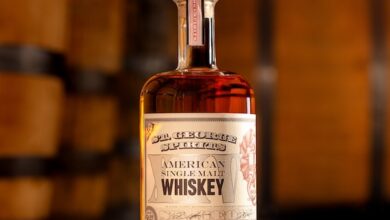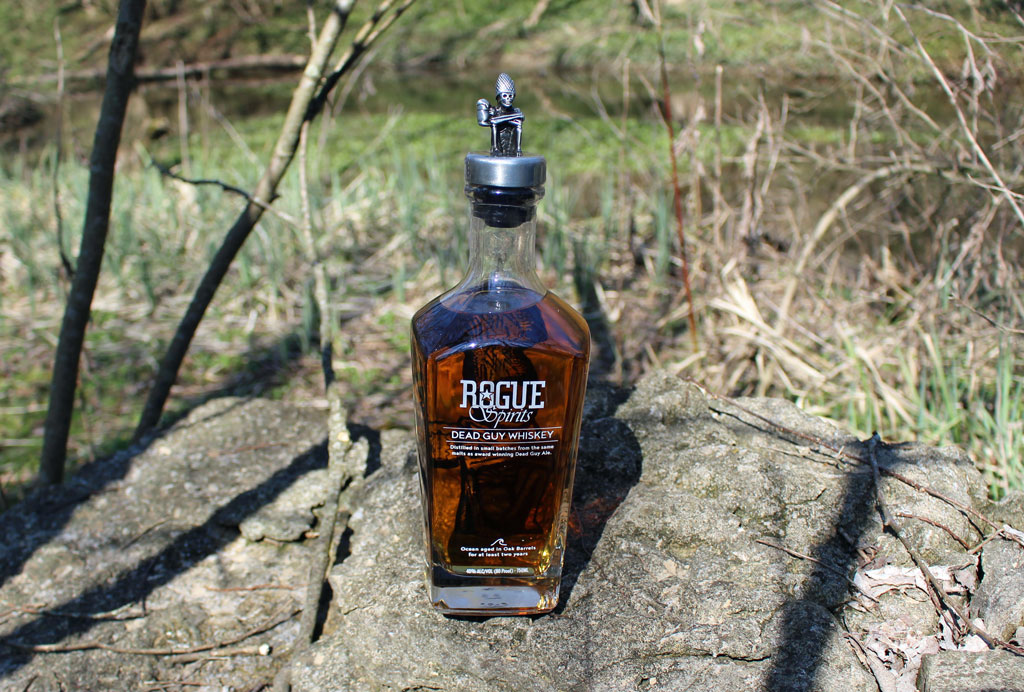
American Single Malt Whiskey vs Classic Scotch: Can the New World Compete
An in-depth analysis and comparison of American single malt whiskey against classic Scotch. We break down production tech, flavor profiles, barrel impacts, and the current market layout.
(Credit: Benjamin Thompson/Wikimedia Commons CC BY 3.0)
The spirits industry is undergoing a massive transformation, and the old rulebook no longer applies. For decades, Scotland held an absolute monopoly on malt, but today the dynamic is completely different. The ASMW category is stepping into the arena with fierce growth rates, causing plenty of anxiety among conservative distillers in Glasgow and Edinburgh. While spirit enthusiasts hold heated debates at local bars, everyday consumers often look for simpler ways to unwind, logging onto Pinko kazino to relax with a few games after a long work week. Meanwhile, US producers have officially locked in their standards, establishing a distinct identity for their product. It is no longer a mere copy of European traditions but a standalone phenomenon with its own character.
The main differentiator of this new alcohol trend lies in its rejection of rigid age dogmas and its bold blending of ingredients. American distillers take time-tested Scottish methods, throw in local raw materials, and walk away with a radically different result.
Why the ASMW Category Is Gaining Momentum So Fast
The acronym ASMW stands for American Single Malt Whiskey. To earn this specific designation on the label, the spirit must comply with strict criteria set by the Alcohol and Tobacco Tax and Trade Bureau. Production must take place entirely at a single US distillery, and the mash bill must utilize 100 percent malted barley.
Scottish producers age their product primarily in used bourbon or sherry casks because fresh wood imparts too intense of a flavor. Americans chose a different path. They actively utilize charred new American oak, which punches up the liquid with heavy notes of vanilla, caramel, coconut, and fresh-cut timber. This builds a perfect bridge between the bourbon profile US drinkers are used to and a classic European malt profile.
This strategy appeals directly to a younger audience that is tired of the complex, moody snobbery surrounding traditional Scotch. Modern buyers want a clear, rich, vibrant flavor right here and now, without waiting 12 or 18 years for the spirit to mellow out in the cold Scottish climate.
Climate Zones and Production Geography Across the US
The sheer size of the United States gives distillers an incredible advantage through climate diversity. Environmental impact on barrel maturation is a crucial factor that shapes the final bouquet of the spirit.
A special place on the production map belongs to the Pacific Northwest region, which includes Oregon and Washington. Historically, this area is famous for its craft beer brewing, meaning local distillation masters enjoy direct access to top-tier barley varieties and expert knowledge on yeast management. The damp, cool local climate is ideal for slow spirit maturation, creating profiles similar to classic Highland drams but with a distinct pine and peat nuance of American origin.
A completely different picture unfolds in Texas or Kentucky. There, due to intense summer heat, the interaction between alcohol and wood happens multiple times faster. Four years of maturation in Austin equals roughly fifteen years somewhere on the coast of Islay in terms of flavor intensity.
Technical Comparison of the Two Schools
To get a better grip on the battle between tradition and the new school, it helps to look at the exact numbers and technical requirements. The production specifications highlight exactly why these spirits carry such different characters despite sharing the same base raw material.
| Technical Parameter | Classic Scotch Whisky | American Single Malt (ASMW) |
| Base Raw Material | 100% Malted Barley | 100% Malted Barley |
| Minimum Aging Period | 3 Years in Oak Casks | No Minimum (2 Years for Straight Status) |
| Cask Type | Primarily Used (Bourbon, Sherry, Port) | New Charred or Used Casks |
| Maximum Distillation Proof | Up to 189.6 Proof (94.8% ABV) | Up to 160 Proof (80% ABV – Retains More Grain Flavor) |
| Allowed Additives | Plain Caramel Coloring E150a for Color Stability | Any Coloring or Flavoring Agents Are Prohibited |
The data shows that American rules regarding distillation are actually stricter when it comes to product purity. Banning caramel color forces distillers to achieve a deep amber hue purely through natural interaction with high-quality wood.
Flavor Profiles: What to Expect in the Glass
Scottish malt typically associates with delicacy, fruity esters, herbal nuances, or heavy, medicinal peat smoke. It demands slow evaluation, a quiet environment, and a specific mindset. It remains the classic drink for evening contemplation.
The American counterpart operates much more aggressively and vibrantly. Thanks to barrels made of American oak, the first sip practically blasts the palate with maple syrup sweetness, toasted marshmallow, chocolate, and baking spices like cinnamon and clove. Even when Americans use smoked malt, they do not dry it with traditional peat; instead, they use mesquite or applewood, yielding a distinct barbecue aroma.
This spirit is built for fun and high energy. It fits beautifully into parties, loud gatherings, and casual hangouts. Plenty of people select these expressions as a companion for a relaxed evening at Pinco online, combining the bright taste of a solid distillate with the excitement of quick gaming sessions on the official site.
Timeline of the Category Evolution and Recognition
The journey of new American malt toward global recognition has been short but highly packed with milestones. A few key stages stand out, turning a craft experiment into a global industry trend.
- 2011: Introduction of the first commercial releases from distilleries like Westland and Balcones, setting the stylistic foundation.
- 2016: Establishment of the American Single Malt Whiskey Commission, launching formal lobbying efforts for the category on a federal level.
- 2022: Multinational beverage giants begin buying up independent American brands, confirming the financial viability of the segment.
- 2024: Official implementation of the new TTB standards, clearly separating this product from bourbon and rye spirits.
- 2026: Major expansion into European and Asian markets, where new American batches pull top honors at international blind tastings.
This sequence of events proves the industry has outgrown its teething issues and is now fully prepared to play in the big leagues alongside Scottish giants.
The Pricing and Availability Dilemma
The cost of a bottle remains a primary headache for fans. Scotland pumps out millions of liters of spirit annually, allowing producers to keep a low cost price on baseline 10-year-old expressions. Most distilleries in the US still operate as smaller operations with limited production capacity.
The high cost of quality barley, expensive new barrels, and the domestic tax burden force producers to slap a 70 to 100 dollar price tag on young releases. Not every consumer is ready to drop that kind of money on a three-year-old spirit when a time-tested twelve-year-old Scotch with a famous name sits right next to it on the shelf.
Buying this type of whiskey today functions as an experiment and a conscious choice by a drinker looking for new sensations and willing to pay a premium. It is entertainment for those who have disposable income and want to diversify their leisure time. After purchasing a premium bottle, it is great to spend an evening in a cozy setup, opening Pinco for some casual slots play with a glass of aromatic distillate in hand.
Final Verdict: Who Wins the Duel
The single malt whiskey category is no longer the property of just one nation. Scotland still maintains its grip on market volume and general authority among traditionalists, but its positions are slowly softening under pressure from bold experimenters.
America brought speed, courage, and a willingness to break century-old taboos to the game. They do not try to replicate the taste of pure spring water from the hills of Speyside. Instead, they produce their own thick, oily product that perfectly mirrors the local terroir and raw material traits.
For the end consumer, this rivalry stands as a massive win. We get incredible freedom of choice between classic Scottish elegance and vibrant American punch. Which option to pull for tonight depends entirely on personal taste preferences and your preferred style of relaxation. Rich whiskey from the New World has fully earned its spot in the cabinets of the most demanding collectors.